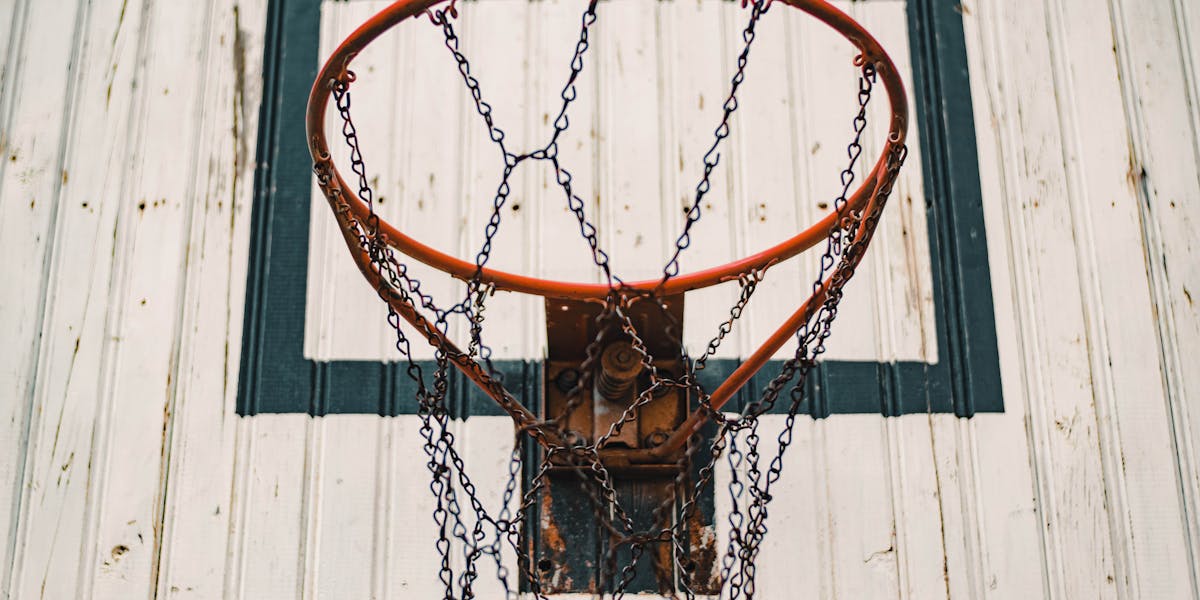
In-Ground vs Portable
| Feature | Portable | In-Ground |
|---|---|---|
| Installation | Assembly, fill base with water/sand | Cement anchor, professional recommended |
| Stability | Good to very good with proper fill | Excellent (commercial-grade) |
| Portability | Can be moved (heavy) | Permanent |
| Price | $200-600 | $400-1,500+ |
For most homeowners: portable is the practical choice. Modern portable systems filled with 400+ lbs of sand are surprisingly stable. In-ground systems are best for serious players who want the closest thing to a gym experience and have a permanent installation location.
Backboard Materials
- Polycarbonate (entry-level): Clear, lightweight, flexible — creates "trampoline" rebound effect. Not realistic play. Best for casual youth use.
- Acrylic (mid-range): Better stiffness, more realistic rebound than poly. Best value for recreational play.
- Tempered glass (premium): NBA backboard standard. Most realistic rebound, highest durability. Used on Spalding NBA and Lifetime XXL systems.
Stability
Base fill matters enormously for portable hoops. Manufacturer specs: most portable systems recommend filling with 35 gallons of water OR 400 lbs of sand. Sand provides significantly better stability than water (heavier, doesn't slosh). If you're buying a portable system, buy sand bags at Home Depot and fill before first use.
Height Adjustment
Youth players need adjustable heights (6-10 feet). Look for infinite height adjustment (Spalding Systems) vs step-adjustment. Infinite adjustment systems allow exact incremental changes; step systems may have 6" gaps between heights.
Best Basketball Hoops 2026
Sources & Further Reading
Reviewed May 29, 2026. Source notes emphasize official hoop/backboard dimensions and practical setup context for driveway systems.