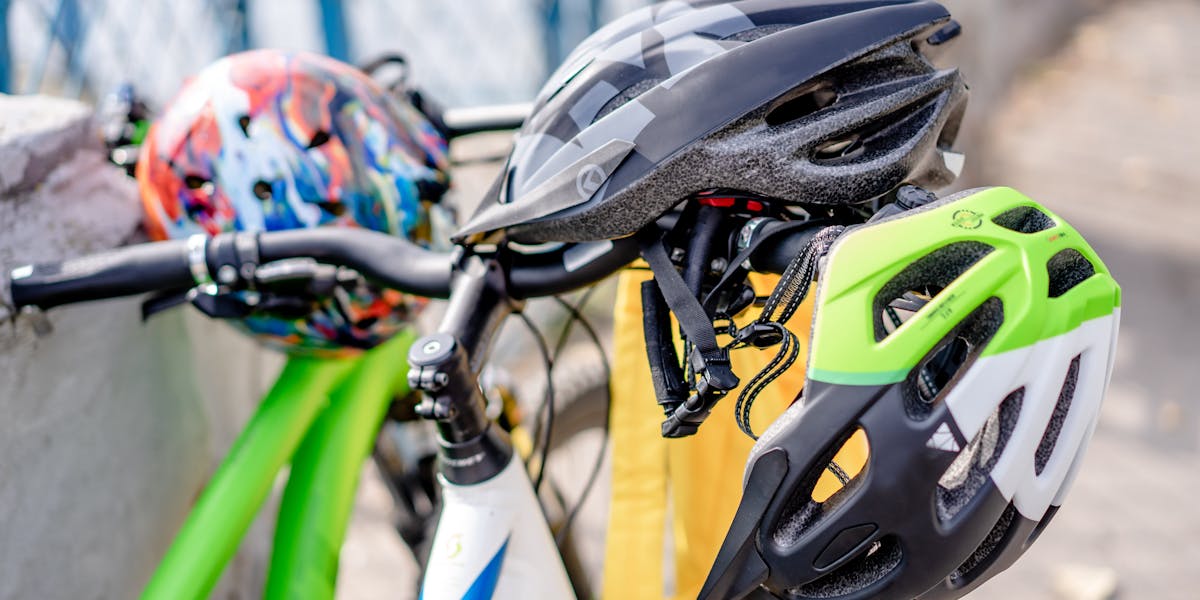
A cycling helmet is the single most safety-critical piece of equipment in cycling. Unlike components that affect performance, a poorly chosen helmet can fail when it matters most. The good news: helmet safety technology has advanced dramatically in the last 5 years, and even $100 helmets now offer meaningful rotational impact protection. Here's how to navigate the options.
Safety Standards: What the Certifications Mean
Every helmet sold in the US must meet CPSC (Consumer Product Safety Commission) standards. European helmets meet EN 1078. These are baseline linear impact tests. Virginia Tech's STAR rating system provides the most comprehensive safety ranking, testing both linear and rotational impacts across multiple impact locations — and it's the standard serious buyers should reference.
MIPS vs WaveCel vs SPIN: Rotational Protection Compared
Rotational acceleration is a leading cause of brain injuries in cycling crashes — the brain twists inside the skull when the head strikes at an oblique angle. Three competing technologies address this:
| Technology | Brand(s) | How It Works | Add Cost |
|---|---|---|---|
| MIPS | Most brands | Low-friction liner allows 10–15mm helmet rotation independent of head | +$20–50 |
| MIPS Spherical | Giro, Bell | Ball-and-socket foam construction, no separate liner needed | +$50–100 |
| WaveCel | Trek/Bontrager | Collapsible cellular structure deflects and flexes on impact | +$30–80 |
| SPIN | POC | Silicone padding pads that allow multi-directional movement | +$30–60 |
Helmet Types: Matching Form to Function
- Road (ventilated): Maximum airflow, multiple vents, lightest weight. Best for road riding in warm conditions.
- Aero: Smooth exterior, minimal vents, integrated visor option. Best for time trials, fast group rides, triathlons.
- MTB (trail/enduro): Extended coverage at temples and rear, visor for trail debris, goggle compatibility.
- Commuter: Integrated LED lights, urban styling, often with visor. Not optimized for either ventilation or aerodynamics.
Top Road Helmets 2026
Giro Aether MIPS Spherical EDITOR'S CHOICE
The Aether is the benchmark for ventilated road helmet performance. MIPS Spherical (ball-and-socket construction) provides best-in-class rotational protection without the sliding liner feel of standard MIPS. 21 vents move more air than most aero helmets at speed. 239g in size M. Virginia Tech's highest-rated ventilated road helmet two years running.
~$300 Check Price on Amazon
Bontrager Rally WaveCel BEST VALUE
The Rally WaveCel delivers WaveCel rotational protection — technology consistently rated among the best in Virginia Tech testing — at $150. It's not the lightest or most ventilated, but the safety-per-dollar ratio is exceptional. The right choice for serious cyclists who want top protection without paying premium prices.
~$150 Check Price on Amazon
Top Aero Helmets 2026
Aero helmets offer 30–60 second savings over 40km at 40kph compared to ventilated helmets, depending on position and conditions. Modern aero helmets integrate vents for comfort on longer events.
Top MTB Helmets 2026
Top Commuter Helmets 2026
Full Comparison Table
| Helmet | Type | Safety Tech | Weight (M) | Vents | Price |
|---|---|---|---|---|---|
| Giro Aether MIPS Spherical | Road | MIPS Spherical | 239g | 21 | ~$300 |
| Bontrager Rally WaveCel | Road | WaveCel | 265g | 15 | ~$150 |
| Bell Formula MIPS | Road | MIPS | 260g | 14 | ~$80 |
| Giro Aerohead MIPS | Aero | MIPS | 320g | 5 | ~$350 |
| POC Ventral MIPS | Road/Aero | MIPS+SPIN | 240g | 11 | ~$280 |
| Troy Lee Designs A3 MIPS | MTB Trail | MIPS | 330g | 24 | ~$160 |
| Bontrager Charge WaveCel | Commuter | WaveCel | 295g | 12 | ~$130 |
Sources & Further Reading
- Virginia Tech Helmet Lab: Cycling Helmet Ratings 2025
- MIPS AB: Technology white paper on oblique impact reduction
- Bontrager: WaveCel independent testing data
- CPSC: Bicycle Helmet Safety Standard 16 CFR Part 1203