Why Head Choice Matters
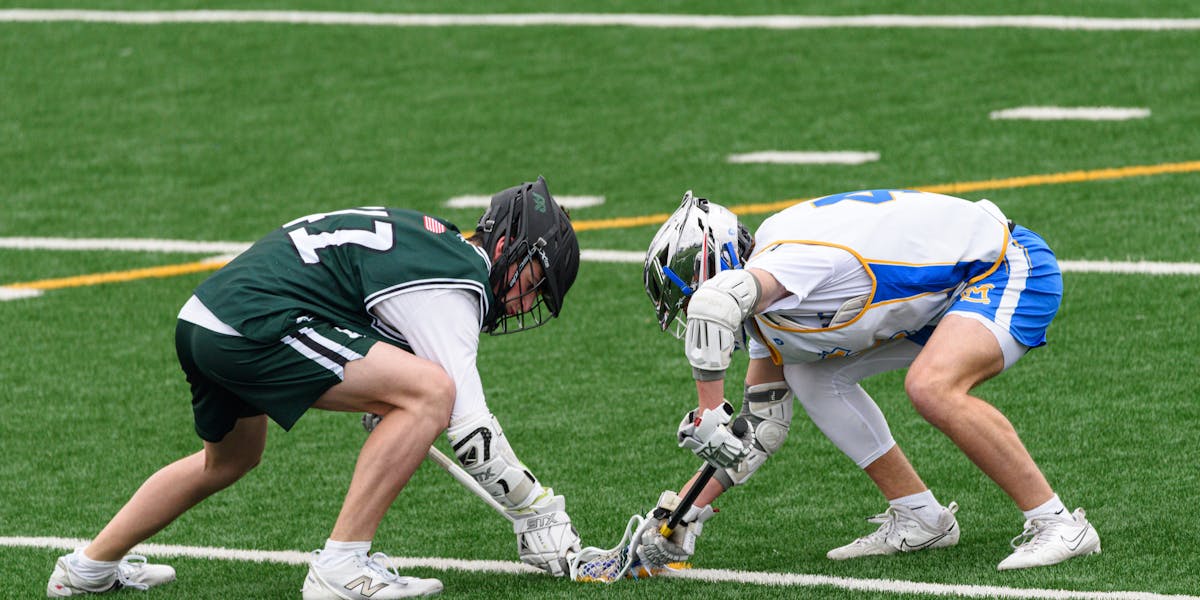
The lacrosse head determines pocket shape, ball hold, release, face-off performance, and defensive checking power. A head's stiffness, offset, throat width, and scoop angle combine to create a performance profile. Choosing wrong costs you control, accuracy, and ground balls.
Key Specs Explained
- Stiffness: Measured on a flex scale. Stiffer heads: more accurate passing, better checking. Flexible heads: better feel on catches, better pocket forming. Most modern heads are mid-stiff.
- Offset: High offset tilts the pocket away from you — creates more hold. Low offset: better face-off and ground ball leverage.
- Scoop angle: Flat scoop: easier ground balls. Rounded scoop: smoother catches and releases.
- Legal width: 6" minimum at the widest point (NFHS/NCAA). Women's have different rules (wider openings).
Best Attack Heads
Best Midfield Heads
Warrior Evo 5 Midfield (~$65): Moderate offset, mid stiffness, versatile shape for two-way play. Good for dodging middies who also need defensive capability.
Maverik Tactik 360 (~$70): Narrow throat, high offset, excellent for offensive middies who want attack-like ball control.
Best Defense Heads
Defensive heads (used on 60" D-poles) prioritize durability and checking leverage over pocket performance. They're typically wider, flatter, and stiffer than attack heads.
StringKing Mark 2D (~$55): Best-value defense head. Consistent width, durable frame, legal for all levels.
Brine Clutch 2X Defense (~$50): Wide face, strong frame, excellent for defensive checks. Used at the NCAA D1 level.
Best Goalie Heads
Goalie heads are significantly wider (up to 10" legal maximum) with specialized stringing configurations to maximize save percentage. The East Coast Dyes Traditional Head and StringKing Mark 2G are the two most popular at the college level.
Sources & Further Reading
Reviewed May 29, 2026. Source notes emphasize stick legality, position-specific setup, pocket rules, and current USA Lacrosse rule resources.