Why the Right Lens Changes Everything
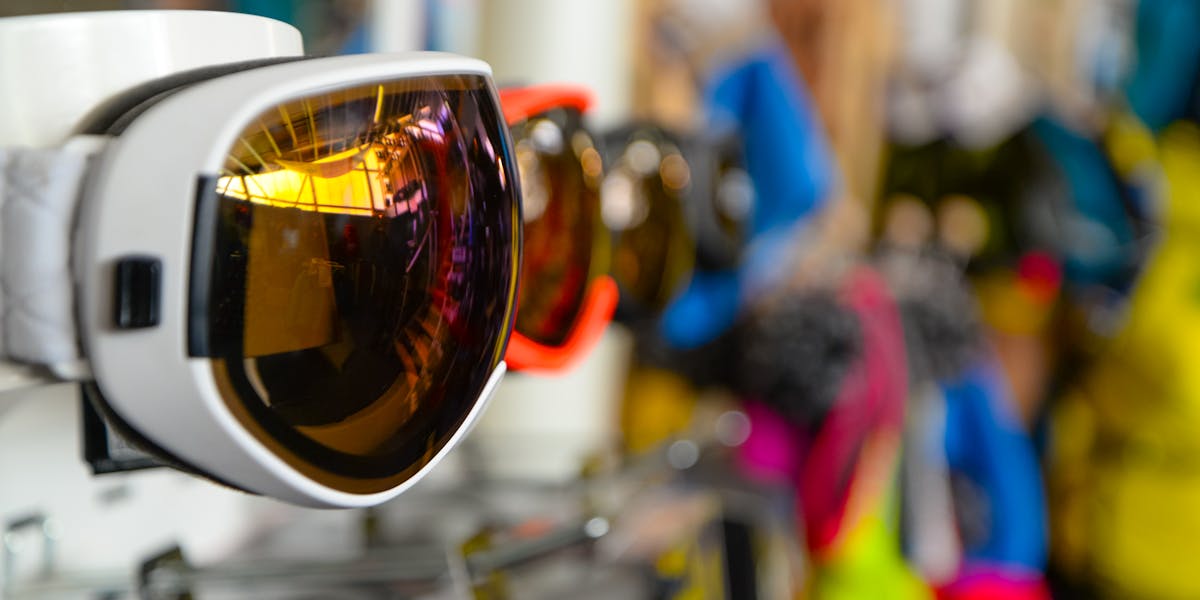
Wearing a dark lens on a flat-light day is like driving with sunglasses at night — you lose all terrain definition and can't see bumps, ice patches, or drop-offs until you're on top of them. The right lens tint isn't about looking cool; it's about contrast enhancement that lets you read terrain safely.
VLT: The Only Number You Need
Visible Light Transmission (VLT) measures the percentage of light that passes through the lens. Lower VLT = darker lens = more light blocked.
| VLT Range | Conditions | Light Level |
|---|---|---|
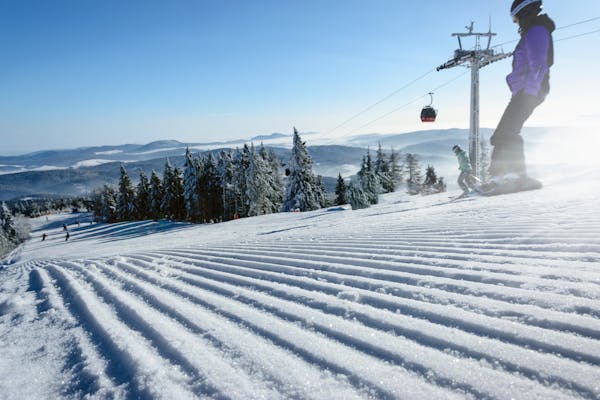
| 5–15% | Bluebird/sunny days, glaciers | Very bright |
| 15–30% | Partly cloudy, variable light | Moderate |
| 30–50% | Overcast, flat light, fog | Low |
| 50–80% | Night skiing, very dark conditions | Very low |
Lens Colors by Condition
Sunny/Bright (VLT 5–20%)
- Black/Dark Smoke: Maximum glare reduction. Neutral color rendering. The classic choice.
- Dark Bronze/Brown: Enhances contrast on snow better than smoke. Reduces blue light. Popular for sunny resort skiing.
- Dark Green: Neutral color perception with slight contrast boost. Reduces eye fatigue.
Variable/Partly Cloudy (VLT 15–35%)
- Rose/Pink: The most versatile all-conditions lens. Excellent contrast enhancement in flat light while still manageable on sunny days. If you can only own one lens, get rose.
- Amber/Persimmon: High contrast, warm tint. Great for defining terrain features in variable light.
Overcast/Flat Light (VLT 30–55%)
- Yellow: Maximum contrast in low light. Makes terrain features pop in flat, gray conditions. Not great when the sun comes out — too much light transmission.
- Light Rose/Hi-Pink: Balanced low-light option with better bright-light tolerance than yellow.
Night/Very Low Light (VLT 50–90%)
- Clear: Maximum light transmission for night skiing. No tint.
- Light Yellow: Slight contrast boost for night/artificial lighting.
Lens Technology Worth Paying For
Photochromic lenses: Automatically adjust VLT based on UV exposure (lighter in shade, darker in sun). Brands: Smith ChromaPop Photochromic, Oakley Prizm React. Excellent for variable days but cost $100+ more.
Polarized lenses: Reduce glare from ice and wet snow. Great for sunny days but can reduce visibility of icy patches — the glare from ice is actually useful for spotting it. Most ski-specific lens makers don't recommend polarized for this reason.
Interchangeable lens systems: Goggles with magnetic or quick-change lenses let you swap for changing conditions. Smith I/O Mag, Oakley Flight Deck, Anon M4 all offer this.
Goggle Fit: Helmet Compatibility
Your goggles must sit flush against your helmet with no gap ("gaper gap"). The foam should seal completely around your face with no pressure points. Try before you buy — face shapes vary wildly and no size chart can account for nose bridge height, cheekbone width, and brow shape.
Recommendations by Budget
Sources & Further Reading
- Smith Optics. "ChromaPop Lens Guide." smithoptics.com
- Oakley. "Prizm Snow Lens Technology." oakley.com
- Blister Gear Review. "Goggle Reviews 2025." blisterreview.com
- REI Co-op. "How to Choose Ski Goggles." rei.com/learn
- Outdoor Gear Lab. "Best Ski Goggles 2025." outdoorgearlab.com