Fast answer for "softening a baseball glove"
Use catch, controlled hinge work, a mallet, and a light manufacturer-approved conditioner. Avoid ovens, microwaves, soaking, shaving cream, and heavy oil.
| Reader | First Check | Why It Fits | Buy Zone |
|---|---|---|---|
| New youth glove | Catch + light shaping | Game-ready youth leather often needs less aggressive work. | Do not over-oil |
| Premium stiff glove | Mallet + hinge + catch | Premium leather takes weeks, but holds shape better. | Be patient |
| Dry leather | Small conditioner amount | Conditioner is maintenance, not a magic break-in shortcut. | Use sparingly |
| Pocket shaping | Ball wrap after work | Shape the pocket around the ball and closure style you want. | Check position |
| Bad shortcut | No heat/soaking | Heat and water can damage leather, laces, padding, and shape. | Avoid hacks |
If you searched "baseball glove break in," avoid viral shortcuts
The page now follows Wilson and Rawlings-style controlled break-in guidance instead of product-search shortcuts.
Baseball glove break-in retailer option
Use manufacturer break-in methods before applying heat, water, oil, or aggressive shaping to leather.
Baseball glove break-in decision matrix
Use this before adding conditioner or heat.
How this glove break-in guide is organized
We compare break-in methods by leather risk, pocket shaping, time required, player age, and manufacturer guidance.
Smart buy zones worth tracking
Use deal alerts after the fit, safety, support, and official-spec checks are satisfied.
Glove care verification path
Use manufacturer break-in guidance before trying shortcuts that can damage a new glove.
Quick Answer: Best Way to Break In a Baseball Glove
The best way to break in a baseball glove is to play catch daily, shape the pocket with a ball, work the hinge points with a glove mallet, and use only a dime-sized amount of glove conditioner if the leather feels dry. For most gloves, expect 1-3 weeks of regular catch and pocket work.
- Safest method: catch, pocket shaping, and mallet work.
- Use conditioner sparingly: too much oil makes leather heavy and floppy.
- Avoid shortcuts: oven heat, microwaves, soaking, shaving cream, and running over the glove can permanently damage the leather.
Why Breaking In Matters
A new baseball or softball glove out of the box is stiff, flat, and awkward. The leather hasn't formed a pocket, the lacing is tight, and the hinge points haven't softened. Trying to play with an unbroken glove leads to dropped balls, hand pain, and a pocket that forms incorrectly.
Proper break-in creates a pocket that matches your hand and position, softens the leather to close naturally, and extends the glove's life by years. Rawlings' own glove care guide estimates a well-maintained glove can last 5-10 seasons. A poorly broken-in glove might last 2.
Methods That Actually Work
Method 1: Catch (The Best Method, Period)
Playing catch is the single best way to break in a glove. It forms the pocket with an actual ball in actual game conditions. Rawlings, Wilson, and Mizuno all recommend this as the primary break-in method.
- Time required: 20-40 hours of catch over 2-4 weeks
- How: Play catch for 20-30 minutes daily. Deliberately catch balls in the pocket (not the web). Close the glove fully around each ball.
- Why it's best: Your hand shapes the pocket naturally. The leather molds to how YOU catch, not to some artificial shape.
Yes, it takes patience. No, there's no shortcut that produces the same result. Every professional player breaks in their glove this way — Hunter Pence, Nolan Arenado, and countless others have spoken about the multi-week process of working in a new gamer.
Method 2: Glove Mallet + Ball-in-Pocket
When you're not playing catch, use a glove mallet (or a regular ball in a sock) to work the pocket:
- Apply a thin layer of glove conditioner (see below)
- Place a ball in the pocket where you want it to form
- Use a glove mallet to pound the pocket area — 50-100 strikes
- Work the hinge points (where the glove folds closed) with the mallet
- Wrap the glove closed with a band or belt, ball in pocket, overnight
Method 3: Glove Conditioner (Used Sparingly)
A light application of quality conditioner softens leather and speeds break-in. The key word is light. Over-conditioning makes leather heavy, floppy, and reduces its lifespan.
Method 4: Professional Steaming
Some sporting goods stores offer heat-and-moisture-assisted glove shaping for fast turnarounds. Treat it as a shop service for time-crunched players, not the default break-in method.
Pros: Fast. Gets the glove game-ready in hours instead of weeks.
Cons: Heat and moisture can pull oils from leather, shorten lifespan, and void warranties on premium gloves. Rawlings and Wilson guidance both point buyers back to controlled conditioner, pocket work, and catch instead of heat shortcuts.
Verdict: Use a shop service only when time is short and the glove is not a premium long-term investment. For a $200+ glove, stay with catch, mallet work, hinge shaping, and light conditioner.
Methods That DON'T Work (Or Damage Your Glove)
Position-Specific Break-In Tips
Infielders
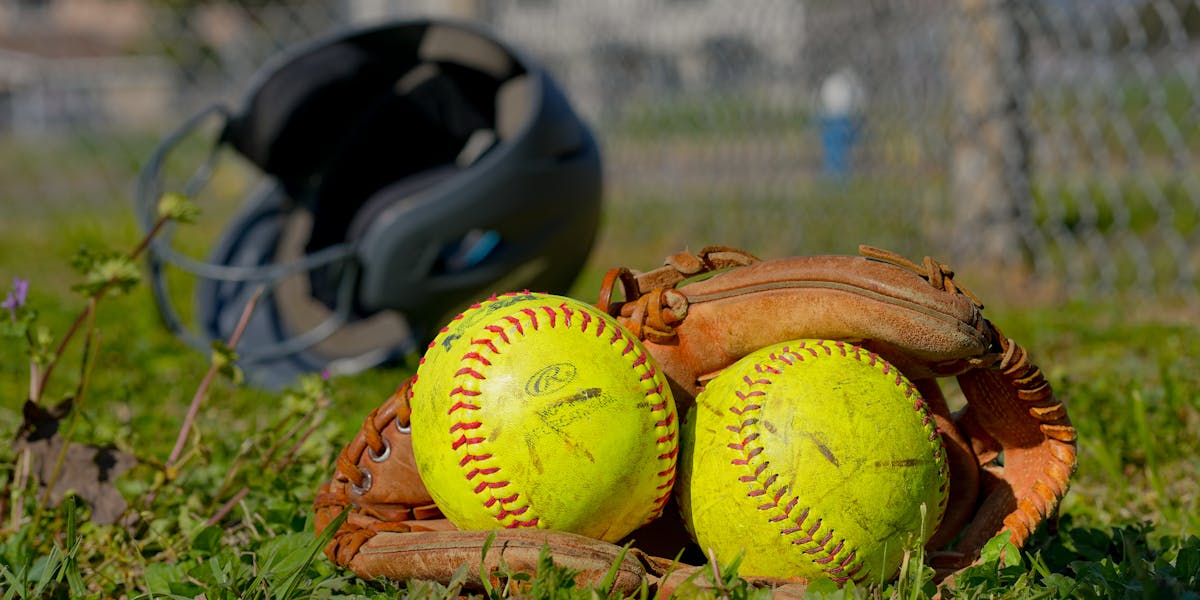
Break in a shallow pocket. You need to get the ball out fast for double plays. Place the ball in the palm area, not deep in the web. The pocket should form so the ball sits partly exposed, making transfers quicker.
Outfielders
Break in a deep pocket. You need to secure fly balls. Place the ball deep in the web/pocket area. The pocket should form a basket that cradles the ball securely.
Catchers
Catcher's mitts need the most break-in time due to thicker padding. Focus on the hinges where the mitt closes. Use a heavier ball (or a softball) to create a deeper pocket. Expect 30+ hours of catch to fully break in a catcher's mitt.
Pitchers
Pitchers need a closed web with tight closure to hide grip from batters. Break the pocket flat and tight — you're not catching hard-hit balls, you're hiding your hand. Focus on the wrist closure and hinge rather than deep pocket formation.
Proper Storage (Keeps Your Glove Alive for Years)
- Always store with a ball in the pocket — keeps the shape
- Keep it dry — if it gets wet, stuff newspaper inside and let it air dry naturally. NEVER use a hair dryer or place near a heater.
- Store in a cool, dry place — not in a hot car trunk (heat destroys leather like an oven would)
- Re-condition once or twice per season — a light application of Glovolium or similar
- Re-lace when needed — if laces loosen or break, a $10 relacing kit restores the glove. Most local sports shops do full relacing for $30-50.