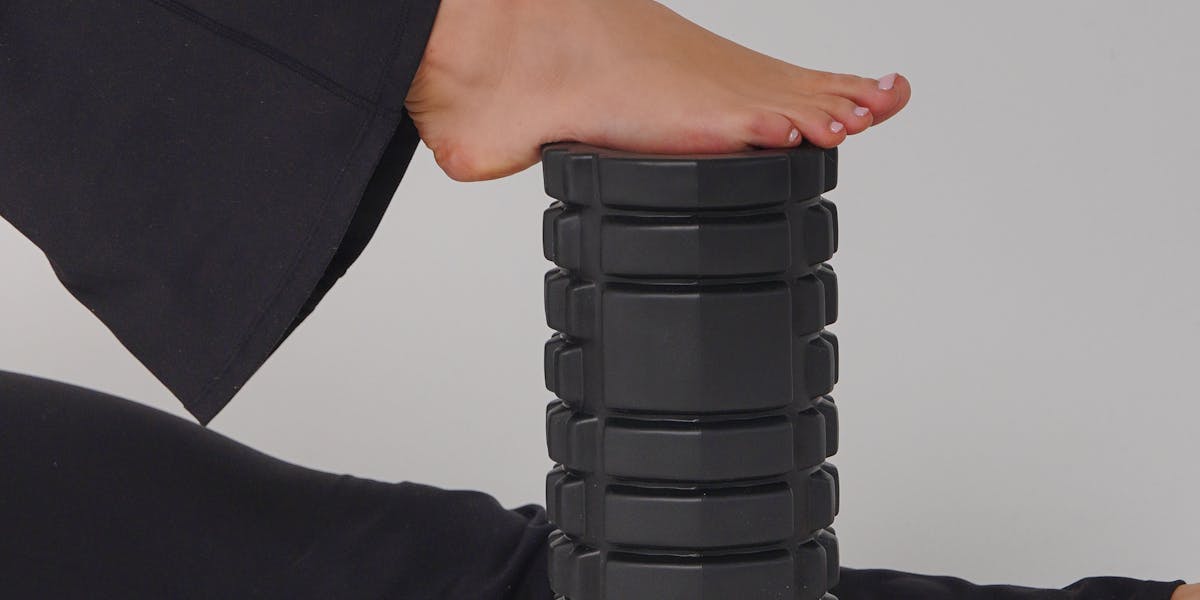
Fast answer for "foam rollers and recovery tools"
Start with the problem area and pressure tolerance. A basic roller handles broad tissue work, balls reach small spots, and massage guns are optional, not magic.
| Reader | First Check | Why It Fits | Buy Zone |
|---|---|---|---|
| New user | Medium-density roller | Enough pressure to learn without guarding against pain. | Start simple |
| Feet/glutes | Lacrosse/massage ball | Small tools reach areas a roller misses. | Targeted |
| Busy athlete | Massage gun | Useful for short sessions if you avoid bone/joint areas. | Use gently |
| Elbow/forearm | FlexBar-style tool | Loaded mobility can support a rehab plan. | Follow plan |
If you searched "best foam roller," choose pressure and body area first
The page now routes readers through use case, density, and official retailer options before product links.
Recovery tool use-case retailer option
Recovery tools should match pressure tolerance, target tissue, and injury context.
Recovery tool decision matrix
Use this before buying a full recovery kit.
What the Research Actually Shows
A 2019 meta-analysis in Frontiers in Physiology (14 studies, 525 participants): foam rolling reduces perceived muscle soreness (DOMS) by ~15% and temporarily improves range of motion (up to 10 minutes). But it does NOT speed actual muscle repair, increase strength recovery, or improve long-term flexibility.
Translation: foam rolling makes you feel better and move better short-term. It's a warm-up tool and a pain management tool — not a recovery accelerator.
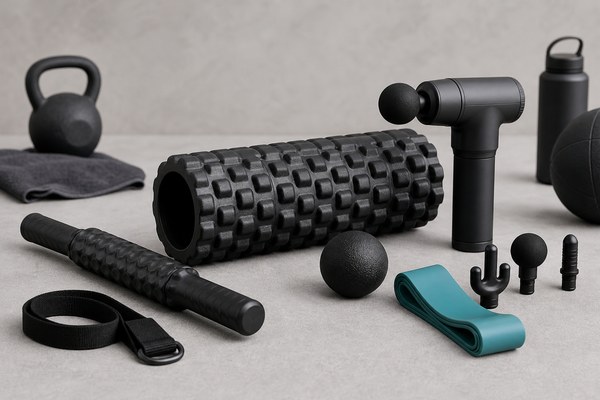
Sources & Further Reading
Reviewed June 5, 2026. Source notes emphasize current public-health guidance, product-safety notices, manufacturer specifications, and peer-reviewed research behind this guide.
- Wiewelhove et al. foam rolling meta-analysis — systematic review of foam rolling effects on performance and recovery.
- Cheatham et al. roller massage review — review of foam rolling and roller massage effects on joint motion and performance.
- NSCA recovery process resource — coaching context for recovery, fatigue management, and athlete readiness.
- PMC - foam rolling performance and recovery meta-analysis
- PMC - massage gun performance and recovery systematic review
- PMC - cold-water immersion recovery systematic review
- CDC - adult physical activity guidance