Understanding Backcountry Pathogens
Before choosing a treatment method, understand what you're treating. Backcountry water contains three categories of pathogens:
- Protozoa (Giardia, Cryptosporidium): Most common concern in US backcountry. Spread by animal feces. Cause severe GI illness. Removed by filters (0.1–1 micron), UV, and chemical treatment. NOT killed by boiling in under 30 sec (but a rolling boil for 1 min works).
- Bacteria (E. coli, Salmonella, Campylobacter): Common near livestock areas, heavily used camping areas, downstream of populated areas. Removed by quality filters (0.1–0.2 micron), UV, chemical treatment, and boiling.
- Viruses (Hepatitis A, Norovirus): Very small — pass through most mechanical filters. Major concern internationally and in areas with heavy human use. Killed by UV, chemical treatment (iodine, chlorine dioxide), and boiling. NOT removed by most mechanical filters (only hollow-fiber nanofiltration removes viruses).
Mechanical Filters
Hollow-fiber filters push water through hollow tubes with microscopic pores (0.1–0.2 micron). Water passes through; protozoa, bacteria, and sediment cannot. The technology is proven, filter life is long (100,000+ gallons), and no chemicals or waiting.
Best Filters
- Sawyer Squeeze (0.1 micron, 3 oz, $40): The most popular thru-hiker filter. Squeeze water from soft bottle through filter into drinking vessel. Flow rate: ~0.5 L/min when filter is clean. Backflush to maintain flow. 100,000 gallon life.
- Katadyn BeFree (0.1 micron, 2.3 oz, $45): Fastest flow rate in category — 3 L/min through the included soft flask. The best fast-flowing filter for demanding use.
- Sawyer Mini (0.1 micron, 2 oz, $25): Lightest Sawyer option. Flow rate is slower than Squeeze but adequate for solo use.
Limitation: Standard hollow-fiber filters do NOT remove viruses. In the US backcountry, this is generally acceptable — viral contamination is rare. International travel or heavily impacted areas warrant adding a chemical backup.
UV (Ultraviolet) Treatment
UV devices (SteriPen) use ultraviolet light to destroy the DNA of protozoa, bacteria, and viruses — rendering them unable to reproduce and cause illness. They're the only lightweight method that kills viruses without chemicals.
- Pros: Kills protozoa + bacteria + viruses in 90 seconds per liter; no taste change; fast
- Cons: Requires batteries; doesn't work in turbid (murky) water — pre-filter first; breaks if dropped; expensive (~$100)
- Best for: International backpacking, any area with heavy human use, solo day hikes where chemical taste is a concern
Chemical Treatment
Chemical treatments (iodine tablets, chlorine dioxide tablets/drops) kill protozoa, bacteria, and viruses at ultralight weight and zero battery dependency. The main downside: wait time (30 minutes to 4 hours depending on method and temperature) and taste.
- Iodine tablets: Fastest-acting (20–30 min), lightest, cheapest. Kills bacteria and most protozoa but NOT Cryptosporidium. Not recommended for pregnant women or people with thyroid conditions.
- Chlorine dioxide (Aquatabs, Katadyn Micropur): Kills bacteria, protozoa (including Crypto), AND viruses. 30-minute wait time (4 hours for Crypto in cold water). Best all-around chemical option.
Boiling
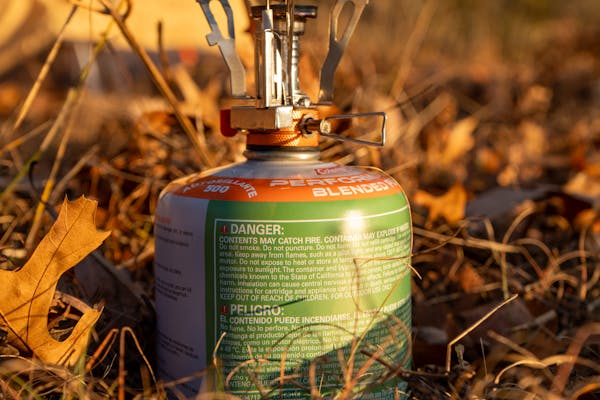
Boiling is the original water purification method — and the most effective. A rolling boil for 1 minute (3 minutes at altitude) kills all pathogens including Giardia, Cryptosporidium, bacteria, and viruses. Limitations: consumes fuel, time-consuming for large volumes, doesn't remove chemical contaminants or improve taste.
Best use cases: Emergency backup when filter fails or chemicals run out; cooking water (already boiling for meals); melting snow for water.
Method Comparison
| Method | Kills Protozoa | Kills Bacteria | Kills Viruses | Weight | Cost |
|---|---|---|---|---|---|
| Mechanical Filter (0.1µm) | Yes | Yes | No* | 2–3 oz | $25–80 |
| UV (SteriPen) | Yes | Yes | Yes | 90g | $80–120 |
| Chemical (ClO2) | Yes | Yes | Yes | <1 oz | $10–20 |
| Iodine Tablets | Partial | Yes | Yes | <1 oz | $5–10 |
| Boiling | Yes | Yes | Yes | 0 (uses stove) | $0 (uses fuel) |
*Hollow-fiber nanofiltration (Sawyer S3) and reverse osmosis do remove viruses, but are heavier/expensive for backpacking.
Sources & Further Reading
Reviewed June 18, 2026. Source notes emphasize safety, food storage, navigation, fit, standards, and backcountry-use references behind this guide's recommendations.
- CDC Water Treatment Options When Hiking, Camping, or Traveling — filter, chemical, UV, and boiling guidance.
- CDC Yellow Book: Water Disinfection for Travelers — disinfection methods and limitations.
- Wilderness Medical Society Water Treatment Guidelines — 2024 clinical-practice guideline record hosted by CDC.
- National Park Service - Ten Essentials
- National Park Service - Leave No Trace Seven Principles