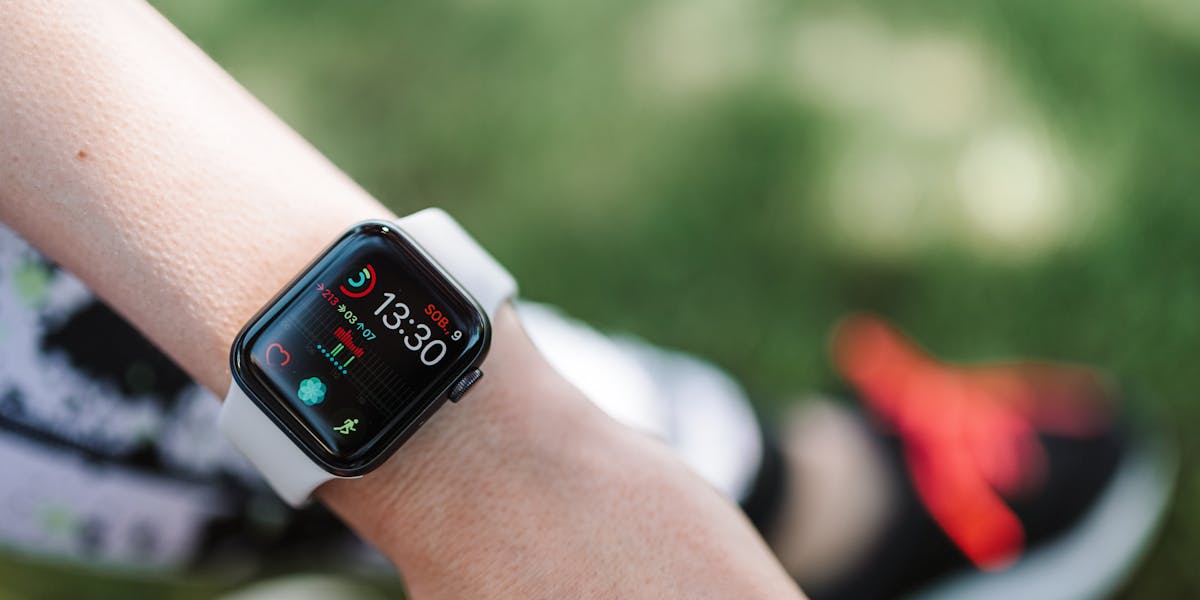
What to Look For in a Running Watch
The running watch market has bifurcated into two clear categories: training-first watches (Garmin, COROS, Polar, Suunto) and lifestyle-first smartwatches with running features (Apple Watch, Samsung Galaxy Watch). The distinction matters enormously for how useful a watch will actually be in training.
Training-first watches are built around metrics that coaches and serious runners care about: VO2 max estimation accuracy, training load and recovery advisors, structured workout support, HRV (heart rate variability) tracking, and multi-day battery life for long runs and trail races. Lifestyle smartwatches are built around notifications, app ecosystems, and daily wear, with running features added on top.
Garmin Forerunner Series: The Training Standard
Garmin makes the most comprehensive training watches available in 2026. The Forerunner line covers five price tiers (55, 165, 265, 955, 965) with each tier adding meaningful training intelligence rather than just features for their own sake. The data ecosystem is unmatched: Garmin Connect integrates with Training Peaks, Strava, and most major coaching platforms.
Garmin Forerunner 965 EDITOR'S CHOICE
The Forerunner 965 is the best overall running watch for serious runners in 2026. The AMOLED display is the sharpest in the Forerunner lineup, the training load analysis is genuinely sophisticated (distinguishing aerobic base, anaerobic, and sprint load separately), and the HRV Status feature tracks morning readiness over time. Battery life is 31 hours in GPS mode — sufficient for most 100-mile ultras in a single charge. It is expensive at ~$599, but no other watch delivers equivalent training intelligence.
~$599 Check Price on Amazon →
Apple Watch Ultra 3: Best for iOS Athletes
The Apple Watch Ultra 3 is the best running watch for iPhone users who want best-in-class smartwatch integration alongside serious running features. The dual-frequency L1+L5 GPS is genuinely accurate — one of the best GPS implementations in any consumer watch — and the 42-hour battery (up to 72 hours in Low Power Mode) covers ultra distances.
The caveat: Apple's training metrics are less sophisticated than Garmin's at this price point ($799). There is no training load management, no daily readiness score tied to HRV trends, and no structured workout builder equivalent to Garmin's. For pure running intelligence, the Ultra 2 underdelivers relative to its $799 price. For runners who also use the Apple ecosystem heavily for everything else, it remains the right buy.
COROS Pace 3: Best Value Running Watch
COROS has built an exceptional reputation among performance runners by delivering training metrics that rival Garmin at a significantly lower price. The Pace 3 is a 39g watch with a 38-hour GPS battery (exceptional at this price), Stryd foot pod integration, and training analytics that elite coaches actually use.
COROS Pace 3 BEST VALUE
At 39 grams and $229, the COROS Pace 3 is the best value GPS running watch available in 2026 — and it is not close. The training load management, EvoLab performance analytics, and Stryd integration rival what Garmin charges $450–$600 for. The tradeoff is a smaller display and a less developed app ecosystem. For data-focused runners who care about training, not notifications, the Pace 3 is the rational choice at nearly every budget tier.
Polar Pacer Pro: Heart Rate Science Leader
Polar invented wearable heart rate monitoring and continues to lead the category in sensor hardware quality. The Pacer Pro features Polar's Precision Prime sensor technology — widely regarded as the most accurate wrist-based HR monitor in consumer wearables — and a running performance test (lactate threshold estimation) that is more accurate than comparable Garmin features.
The Polar ecosystem is less consumer-friendly than Garmin's, and the smartwatch features are minimal. For heart-rate-focused training (LTHR, Zone 2 training, HRV4Training integration), Polar is the serious choice.
Full Comparison Table
| Watch | Price | GPS Battery | Training Analytics | Best For |
|---|---|---|---|---|
| Garmin Forerunner 965 | ~$599 | 31 hours | Outstanding | Serious runners wanting best training intelligence |
| Garmin Forerunner 265 | ~$449 | 20 hours | Excellent | Best all-round Garmin for most runners |
| Garmin Forerunner 165 | ~$249 | 19 hours | Good | Budget Garmin entry point |
| Apple Watch Ultra 3 | ~$799 | 42 hours | Moderate | iPhone users who want best GPS hardware |
| COROS Pace 3 | ~$229 | 38 hours | Excellent | Best value; data-focused runners |
| Polar Pacer Pro | ~$299 | 35 hours | Excellent | Heart rate accuracy, Zone 2 training |
Verdict by Runner Type
- Beginner / recreational runner: Garmin Forerunner 165 (~$249) — best GPS coaching features at the entry level
- Half-marathon / marathon racer: COROS Pace 3 (~$229) or Garmin Forerunner 265 (~$449) — exceptional training load management
- Ultra / trail runner: COROS Apex 2 Pro or Garmin Forerunner 965 — multi-day battery and offline maps
- iPhone-first, data-secondary: Apple Watch Ultra 3 — best GPS, best smartwatch integration, weakest training analytics per dollar
- Heart rate / Zone 2 focus: Polar Pacer Pro — most accurate wrist HR in the category
- Budget-limited, training-focused: COROS Pace 3 — the objective best value in 2026
Sources & Further Reading
Reviewed 2026-06-29. Source notes emphasize running watch support, GPS tracking, training load context, and exercise guidance.