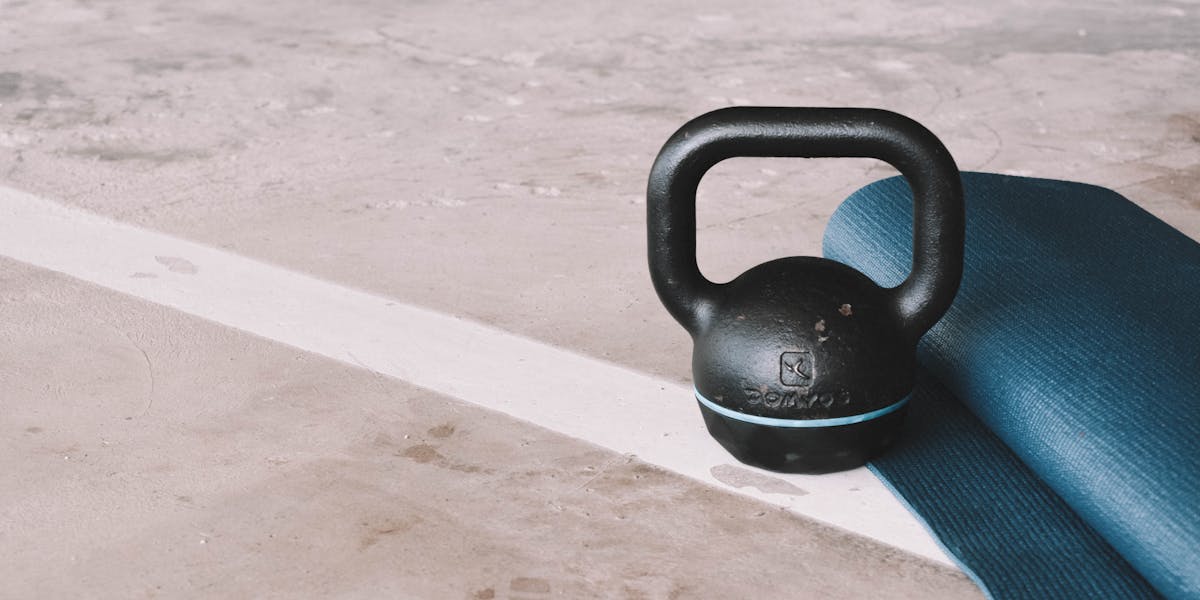
Why Gym Flooring Isn't Optional
Dropping a loaded barbell on concrete cracks the floor, damages the bar, and sends shock through your body. Proper gym flooring absorbs impact, reduces noise, protects equipment, and provides stable footing.
Horse Stall Mats: The Budget King
Worst-kept secret in home gyms: 4'x6' horse stall mats from Tractor Supply ($50 each, 3/4" thick) are the same vulcanized rubber as gym flooring at 1/3 the price. They smell for a few weeks but are functionally identical.
Horse Stall Mat 4x6 3/4 inch
~$50/mat Check Price on Amazon
100 lb per mat, vulcanized rubber. Covers a full platform for under $200.
Interlocking Tiles
BalanceFrom Puzzle Mat 1 inch
$40/24 sq ft Check Price on Amazon
EVA foam, interlocking. Good for yoga/bodyweight — too soft for heavy lifting.
Rubber-Cal Elephant Bark Rolled
$2.50/sq ft Check Price on Amazon
3/8" recycled rubber rolls, 4' wide. Best for large seamless areas.
Rep Fitness Rubber Tiles
$3/sq ft Check Price on Amazon
3/4" virgin rubber, 2x2 ft, beveled edges. Premium — no smell, clean look.
Titan Fitness 4x6 Rubber Mat
3/4" commercial-grade, low odor. Best Amazon option if no Tractor Supply nearby.
Sources
- Garage Gym Reviews. "Best Home Gym Flooring 2025."
- r/homegym FAQ. "Flooring Guide." 2024.