Two Running Giants
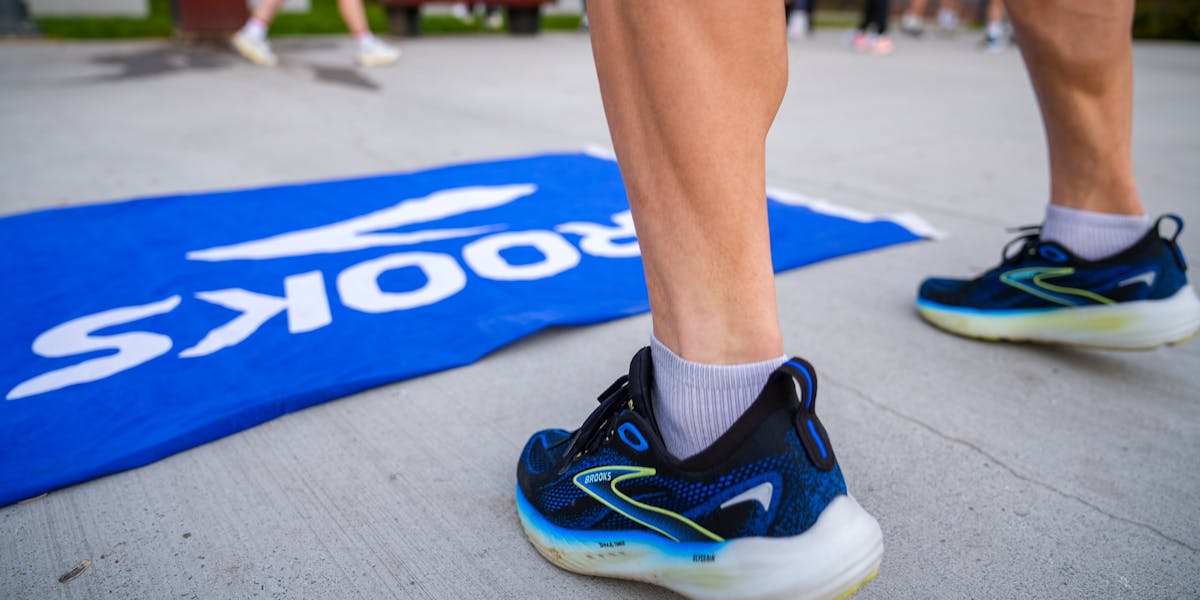
Brooks (Seattle, WA) is the running-only brand that has consistently topped Runner's World reader surveys for satisfaction. They focus exclusively on running — no basketball shoes, no lifestyle sneakers — and that singular focus shows in the product. Brooks coined the term "run happy" and their shoes are engineered with the everyday runner in mind.
ASICS (Japan) is one of the oldest running brands in the world, founded in 1949. Their Gel technology (introduced 1986) is one of the most recognized cushioning innovations in sports footwear. ASICS makes shoes for competitive racers, everyday joggers, and everything in between.
Fit & Last Shape
This is the most practical difference and should drive your decision more than anything else.
Brooks runs slightly wide, with a roomier toe box. Runners with medium-to-wide feet find Brooks more comfortable out of the box. Brooks also offers wide (2E) and extra-wide (4E) options across most popular models.
ASICS runs slightly narrow-to-medium. Runners with narrow or standard feet tend to prefer the more precise ASICS fit. ASICS also offers wide options but fewer than Brooks across the lineup.
Cushioning Technology
| Technology | Brand | Feel | Durability |
|---|---|---|---|
| DNA LOFT v3 | Brooks | Soft, plush, bouncy | ~500 miles |
| DNA Flash | Brooks | Nitrogen-infused, responsive | ~400 miles |
| Gel | ASICS | Soft, shock-absorbing (heel/forefoot) | ~500 miles |
| FF BLAST | ASICS | Lightweight, energetic, less plush | ~450 miles |
| FF BLAST+ | ASICS | Softer than FF BLAST, responsive | ~450 miles |
Brooks DNA LOFT v3 (Ghost, Glycerin) offers the plushest, most cushioned ride in the brand lineup. ASICS Gel-Nimbus uses Gel + FF BLAST+ for a similar plush experience. Both are excellent for long runs and runners who prioritize comfort.
Stability & Motion Control
Both brands offer neutral, stability, and motion control options. Here's how the flagship stability models compare:
| Category | Brooks Model | ASICS Model |
|---|---|---|
| Stability | Adrenaline GTS | Kayano 31 |
| Max stability | Beast/Ariel | Gel-Foundation |
| Light stability | Trace 3 | GT-2000 13 |
The Brooks Adrenaline GTS uses GuideRails — a unique stability system that supports your body's natural movement rather than restricting pronation. This approach is praised by physical therapists for being gentler on the knee and hip.
The ASICS Kayano uses a medial post (denser foam on the inner side) to resist overpronation — a more traditional approach that works very effectively for classic overpronators.
Model-by-Model Comparison
| Use Case | Best Brooks | Price | Best ASICS | Price |
|---|---|---|---|---|
| Daily trainer (neutral) | Ghost 16 | ~$130 | Gel-Nimbus 26 | ~$160 |
| Max cushion | Glycerin 21 | ~$160 | Gel-Cumulus 26 | ~$130 |
| Stability | Adrenaline GTS 24 | ~$130 | Kayano 31 | ~$160 |
| Speed/racing | Hyperion Elite 4 | ~$250 | MetaSpeed Sky+ | ~$290 |
| Trail running | Cascadia 17 | ~$130 | Gel-Trabuco 12 | ~$130 |
Durability & Value
Both brands offer similar durability — expect 300-500 miles per pair depending on your weight, gait, and surface. Brooks tends to be slightly more consistent in durability across the lineup. ASICS higher-end models (FF BLAST+) degrade faster than their Gel-based models.
Value-wise, both are similarly priced ($130-160 for daily trainers). ASICS has more frequent deep discounts through Running Warehouse and Zappos. Brooks holds MSRP more consistently.