If you searched "best running shoes with grip traction," start with terrain
The page now separates mud, rocky singletrack, road-to-trail, long-run cushioning, and wide toe-box needs before listing shoe models.
How this trail shoe guide is organized
We compare current models by traction pattern, cushion, protection, fit shape, terrain match, official specs, and deal timing.
Trail running shoe decision matrix
Use this matrix before buying a trail shoe based only on a top-pick label.
Smart buy zones worth tracking
Use deal alerts after the fit, safety, support, and official-spec checks are satisfied.
Trail shoe verification path
Use official specs, TSP methodology, and terrain-specific guides before chasing a sale.
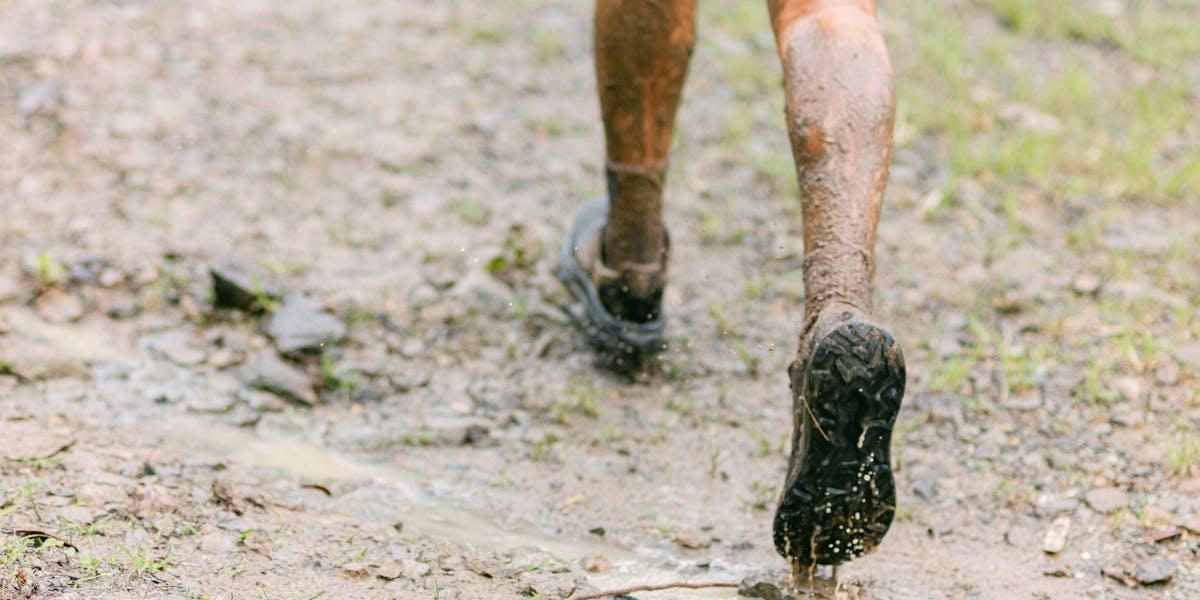
Trail running shoes aren't just road shoes with different lug patterns. The best ones are purpose-engineered systems: outsole geometry tuned for soil type, rock plates sized for terrain hazard, and upper materials matched to water exposure. Choosing the wrong shoe for your trails is a real performance and safety issue — a road-oriented trail shoe on technical wet rock is a slip waiting to happen.
Trail vs Road: What Actually Differs
Three core differences separate trail running shoes from road running shoes:
- Outsole: Aggressive lugs (4–7mm) for dirt/mud vs flat rubber for pavement. Lug pattern geometry determines wet vs dry performance.
- Rock plate: A stiff nylon or TPU plate embedded in the midsole protects the foot from sharp rocks. Critical for technical terrain; unnecessary weight on groomed trails.
- Upper: Reinforced toe caps, protective overlays, and drainage ports replace the lightweight mesh of road shoes.
Lug Depth and Grip: The Core Variable
Lug depth is the primary grip variable. Deeper lugs bite into soft, muddy terrain but feel unstable on hard-packed dirt. Shallower lugs run efficiently on dry trails and light technical terrain. Most trail runners need two shoes — or one versatile mid-depth option.
| Lug Depth | Best Terrain | Representative Shoes |
|---|---|---|
| 6–8mm (aggressive) | Wet mud, soft soil, off-trail | Salomon Speedcross 6, Inov-8 Mudclaw |
| 4–6mm (moderate) | Mixed conditions, most singletrack | HOKA Speedgoat 7, Brooks Cascadia 19 |
| 2–4mm (low/hybrid) | Dry hardpack, buffed trails, road-to-trail | Nike Wildhorse 10, New Balance Fresh Foam Hierro |
Stack Height and Rock Plate Protection
Modern trail shoes span from minimalist (18–22mm stack) to max-cushion (36–40mm+). Higher stack heights provide more protection from rocks and roots over long distances but reduce ground feel. Rock plates add another layer of protection independent of stack height.
Top Trail Running Shoes 2026
Salomon Speedcross 6 EDITOR'S CHOICE
The Speedcross 6 is the definitive choice for aggressive mixed-terrain trail running. Contagrip MA outsole with 6mm chevron lugs delivers exceptional mud shedding, and the Quicklace system eliminates mid-run lace failures. Not the best for hard dry trails, but unmatched in wet conditions.
HOKA Speedgoat 7 BEST VALUE
The Speedgoat 7 is HOKA's current versatile trail shoe — a 5mm Vibram Megagrip outsole that handles both wet and dry conditions, massive 38mm stack height for long-distance cushioning, and a wide toe box that prevents black toenails on descents. The go-to for trail half marathons and beyond.
Best Shoe by Terrain Type
Full Comparison Table
| Shoe | Stack (mm) | Lug Depth | Rock Plate | Drop | Weight (M9) |
|---|---|---|---|---|---|
| Salomon Speedcross 6 | 28mm | 6mm aggressive | No | 10mm | 10.9oz |
| HOKA Speedgoat 7 | 38mm | 5mm Vibram | No | 4mm | 10.5oz |
| Brooks Cascadia 19 | 32mm | 4mm TrailTack | Yes | 8mm | 10.8oz |
| Altra Lone Peak 9 | 25mm | 5mm MaxTrac | No | 0mm | 9.9oz |
| Saucony Peregrine 16 | 32/28mm | Vibram Megagrip | Protective trail build | 4mm | 9.5oz |
Sources & Further Reading
- Salomon Speedcross 6 official specifications
- HOKA Speedgoat 7 official specifications
- Saucony Peregrine 16 official specifications
- Nike Wildhorse 10 official specifications
Sources & Further Reading
Reviewed June 18, 2026. Source notes emphasize current trail-shoe grip models, lug depth, outsole compounds, shoe-rotation safety, and competition shoe rules.