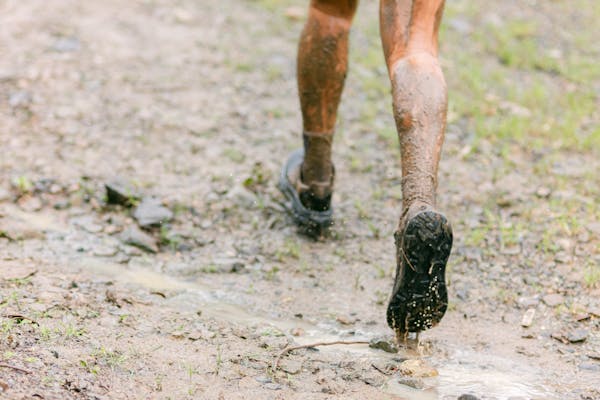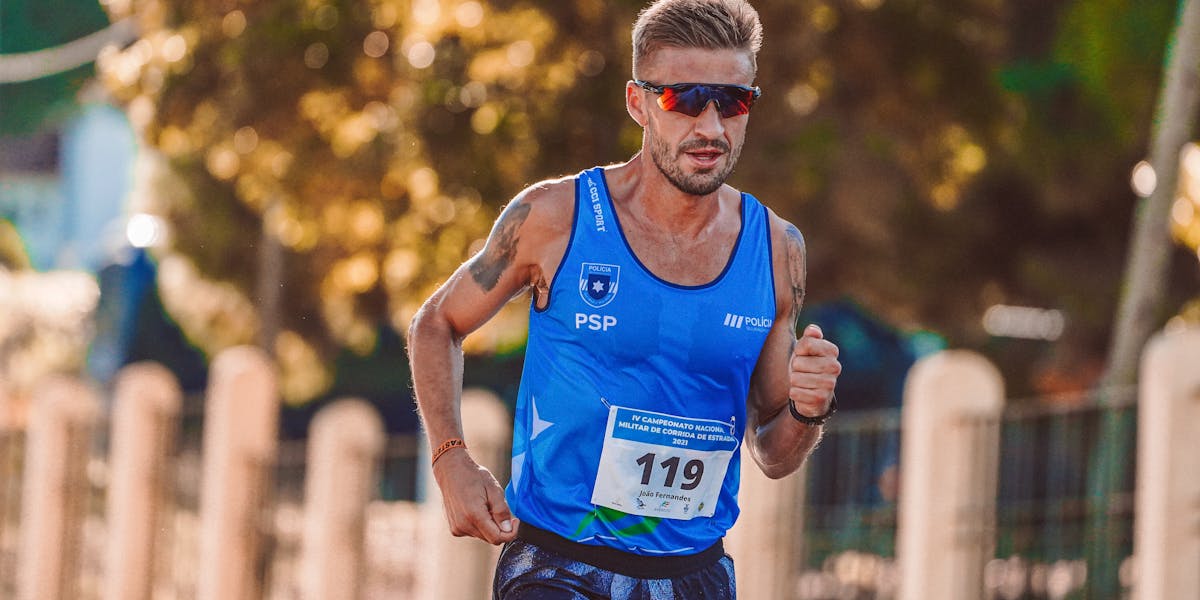
Training for a half marathon — 13.1 miles — demands significantly more of your body and gear than a casual 5K habit. Over a typical 12–16 week training plan, you'll log 300–500+ miles. The right shoes, watch, and nutrition system aren't luxuries; they're injury-prevention tools and performance multipliers. Here's what actually matters.
Training Shoes: Your Most Critical Investment
Half marathon training requires two distinct shoe types for most runners: a daily trainer for the bulk of your mileage and a faster shoe for tempo runs and race day. Trying to do everything in one shoe accelerates wear and increases injury risk.
Daily Trainer: What to Look For
For daily training, prioritize cushioning (stack height 30–35mm), a neutral or mild stability platform, and a proven outsole. The Brooks Ghost, ASICS Gel-Nimbus, and New Balance Fresh Foam 1080 are perennial top performers for this role.
Brooks Ghost 18 EDITOR'S CHOICE
The Ghost 18 is the dependable half marathon training-shoe pick: DNA LOFT v3 cushioning, a neutral 10 mm-drop platform, broad width availability, and enough outsole for a full training block. It's not a speed-day shoe; it is the safe daily-mileage baseline.
~$150 list; watch under $130 Check current Brooks Ghost 18 deals
Race Day / Tempo Shoe
For race day or speed work, a carbon-plated or nylon-plated shoe with a lower drop and firmer, more responsive foam dramatically improves economy. The Nike Vaporfly, Adidas Adizero Boston, and ASICS Metaspeed are the marquee options.
Adidas Adizero Boston 12 BEST VALUE
The Boston 12 sits between a daily trainer and a full race shoe — it's durable enough for weekly tempo runs but fast enough for race day. At $140, it's the best dollar-per-performance option in the segment.
~$150 list; watch under $130 Check Price on Amazon
GPS Watch: Training Data That Matters
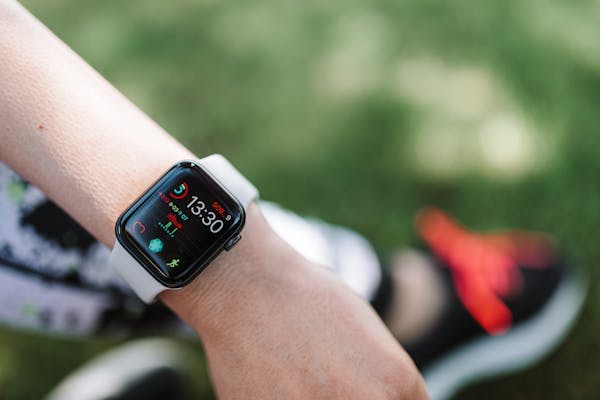
A GPS running watch transforms how you train. Pace-controlled training — running easy runs easy enough and hard runs hard enough — is the #1 predictor of half marathon improvement. Without a watch, most runners run most of their miles too fast and burn out before race day.
| Watch | Battery Life | Key Feature | Price |
|---|---|---|---|
| Garmin Forerunner 265 | 24 hrs GPS | Training readiness, HRV | ~$450 |
| COROS PACE 3 | 38 hrs GPS | Best battery, lightweight | ~$230 |
| Garmin Forerunner 55 | 20 hrs GPS | Best entry-level | ~$200 |
| Apple Watch Ultra 2 | 60 hrs GPS | Best ecosystem integration | ~$799 |
Nutrition & Hydration
At the half marathon distance, fueling strategy separates runners who finish strong from those who hit the wall at mile 10. Your body's glycogen stores deplete significantly during a 1:30–3:00 finish. Here's what the research says:
- Under 75 minutes: Water only, no gels needed mid-race
- 75–90 minutes: 1 gel at mile 6–7
- 90+ minutes: Gel or chews every 45 minutes starting at mile 4–5
Hydration Options
For training runs over 60 minutes, carrying water is essential. Options include handheld bottles (simplest), waist belts (more stable), and hydration vests (best for longer training runs). For most half marathon runners, a handheld or belt is sufficient.
Apparel: Preventing the Small Problems
Chafing and blisters are training-derailing problems that quality apparel eliminates. The key areas: socks, shorts/tights, and sports bra or base layer. Moisture-wicking fabrics and flat seam construction are non-negotiable.
Balega Hidden Comfort Socks EDITOR'S CHOICE
The most recommended running sock by run store staff and coaches. Mohair-infused Drynamix fiber manages moisture better than synthetic-only options. The hidden tab prevents heel blisters. Worth every penny of the premium over grocery store socks.
~$16/pair Check Price on Amazon
Recovery Gear
Half marathon training puts cumulative stress on legs that grows week over week. Proactive recovery — not just rest — is what allows you to absorb training and hit your long run every weekend without breaking down.
Training Plan Essentials
Beyond physical gear, the infrastructure of your training matters. A 12–16 week plan structured around periodization (building, then tapering) with one long run per week is the proven approach. Apps like Garmin Connect, Strava, and TrainingPeaks integrate seamlessly with modern GPS watches to automate training load tracking.
Complete Half Marathon Training Gear Checklist
| Item | Priority | Estimated Cost |
|---|---|---|
| Daily trainer shoes | Essential | $120–$160 |
| Race day / tempo shoes | High | $140–$260 |
| GPS running watch | Essential | $200–$450 |
| Running socks (3–4 pairs) | Essential | $45–$65 |
| Moisture-wicking shorts/tights | Essential | $50–$90 |
| Energy gels (training supply) | Essential | $30–$50 |
| Handheld or belt hydration | High | $20–$40 |
| Foam roller | High | $25–$40 |
| Anti-chafe balm | Medium | $8–$12 |
Sources & Further Reading
- American College of Sports Medicine — Position Stand on Distance Running
- Journal of Sports Science: Carbohydrate periodization for endurance training
- Runner's World Research: GPS watch accuracy comparison 2025
- Brooks Running Lab: DNA LOFT v3 foam testing data
Sources & Further Reading
Reviewed June 18, 2026. Source notes emphasize hydration, fluid replacement, race-day carry systems, and distance-running gear.