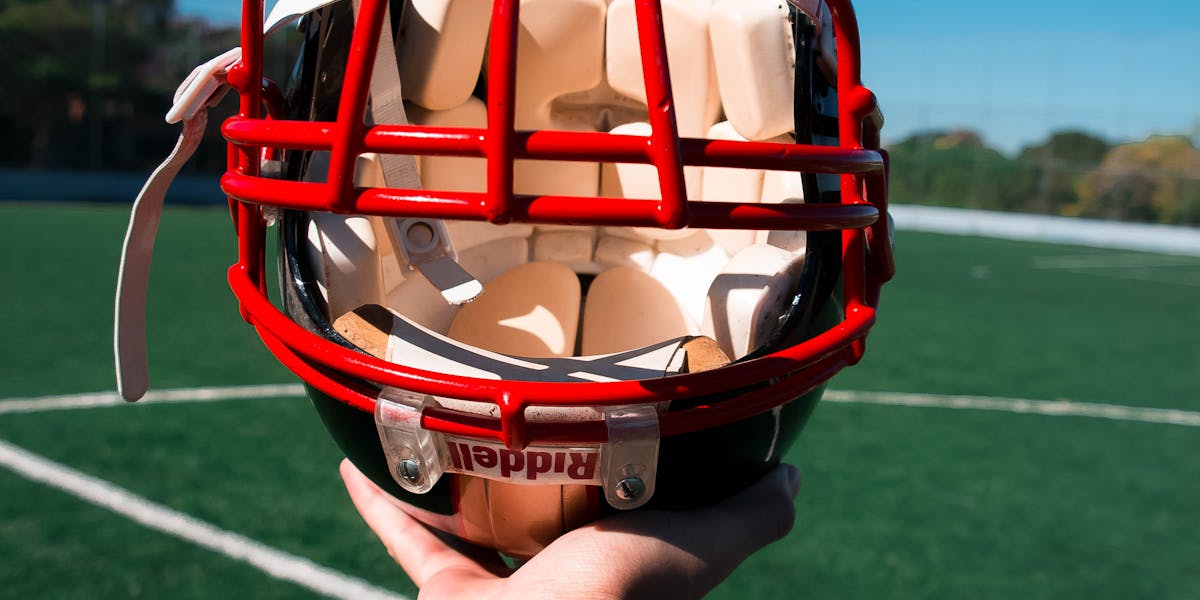
Fast answer for "football helmet testing"
Certification is the starting line, not the finish. Buy only after NOCSAE/SEI status, current Virginia Tech football ratings, reconditioning history, fit, and league rules all line up.
| Reader | First Check | Why It Fits | Buy Zone |
|---|---|---|---|
| Varsity or adult play | NOCSAE ND002 + SEI listed helmet | ND002 is the football helmet performance-standard path; SEI certification confirms the product path. | Verify current listing |
| Comparing models | Virginia Tech 4-5 star football rating | VT testing compares impact performance after baseline certification; lower STAR scores are better. | Use as a lab input |
| Used helmet buyer | Documented recertification and reconditioning | Unknown age, impacts, add-ons, or missing labels can erase any bargain. | Avoid blind used buys |
| Youth buyer | Youth-standard transition check | Youth football has separate ND006 timing, but current purchases still need league, SEI, fit, and reconditioning checks. | Ask league first |
| Add-on buyer | Helmet manufacturer and SEI compatibility | Third-party caps, visors, and facemasks can affect certification or league legality. | Verify before adding |
Football deal hub - Use only after certification, league rules, fit and safety checks are verified.
What each football helmet testing source can and cannot tell you
Use the three source types together. Certification answers whether a helmet is eligible for organized play; independent ratings compare lab impact performance; pro-level NFL/NFLPA results add context for adult elite equipment rooms. None of them replaces fit, condition, league approval, or medical concussion protocol.
Boundary: do not treat any rating, sticker, or ranking as concussion-proof. Reject helmets with unknown impact history, altered shells, missing labels, unsupported add-ons, or uncertain fit.
If you searched "football helmet testing," separate certification from ratings
The page now answers the testing query with a clean sequence: NOCSAE standard, SEI certification, Virginia Tech STAR rating, fit, reconditioning, add-ons, and league acceptance.
Football helmet certification and rating source check
Use official standards and current rating sources before trusting a marketplace title, old equipment-room label, or copied star table.
Football helmet verification matrix
Use this before buying new, used, recertified, or upgraded helmets.
How this football helmet guide is organized
We prioritize certification, current independent ratings, fit verification, reconditioning, and safety boundaries before shopping language.
Football helmet verification path
Use source checks before any helmet purchase path.
Quick Answer: How Football Helmet Testing Works
Football helmet testing starts with NOCSAE performance standards and certification marks, then buyers can compare independent Virginia Tech STAR ratings for lab impact performance. A helmet still has to fit correctly, match the player's league rules, and follow manufacturer or reconditioning guidance. No helmet can prevent every concussion, so fit, condition, technique, and medical protocol all matter.
- NOCSAE: baseline football helmet performance and certification standard.
- Virginia Tech STAR: independent comparative lab ratings for tested helmet models.
- Fit check: the safest-rated helmet is the wrong choice if it moves, pinches, or fails league requirements.
Helmet Safety Essentials
A football helmet is the most safety-critical piece of equipment in the sport. Every helmet used in organized play should carry the proper NOCSAE certification mark and should be checked against league, manufacturer, and reconditioning guidance before use. The helmet's job is to help reduce head-injury risk, but no helmet can eliminate concussion risk.
NOCSAE & Virginia Tech
NOCSAE (National Operating Committee on Standards for Athletic Equipment): Sets football helmet performance standards and related certification procedures. NOCSAE does not itself certify, approve, recertify, or set a universal useful-life limit for helmets; those checks depend on SEI certification, manufacturer guidance, league rules, and reconditioning policy.
Virginia Tech STAR Rating: Independent comparative testing that estimates helmet performance across lab impact scenarios. More stars and lower STAR values are associated with lower concussion-risk estimates in that test protocol. Check the current rating list before purchase.
Check the current Virginia Tech football helmet ratings before buying because tested models and scores change over time.
Fit & Sizing
Proper fit is non-negotiable for helmet effectiveness. Steps:
- Measure head circumference at the widest point (above ears)
- Start with the manufacturer size chart
- Put the helmet on — it should sit one finger-width above the eyebrow
- Check that the back of the helmet doesn't contact the neck pad of the shoulder pads
- Inflate cheek pads (air-filled systems) until cheeks are firmly supported
- Final check: grip the facemask and try to rotate the helmet. It should not rotate more than one finger-width in any direction
Position-Specific
- Linemen (OL/DL): Larger shell, more padding in the occipital area (back of head), wider facemask for field vision in ground-level position. Riddell SpeedFlex, Schutt F7.
- Skill players (QB, WR, DB): Lighter helmet, wider eye opening for peripheral vision, smaller facemask cage. Schutt AiR XP Pro, Vicis Zero2 Trench.
- Youth: NOCSAE-marked models, proper youth sizing, lighter weight, and league-approved fit checks.
Best Football Helmets 2026
Sources & Further Reading
Sources & Further Reading
Reviewed June 18, 2026. Source notes emphasize football helmet standards, independent helmet ratings, and concussion-safety guidance.