×
Sports
Fitness & Outdoors
Content
Cycling · Tech Comparison · Report #TSP-CY-001

Cycling Computer vs Phone vs GPS Watch: Which Tracking Setup Is Right for You

Three ways to track your rides, each with real trade-offs in accuracy, battery life, and features. Here's the honest comparison.

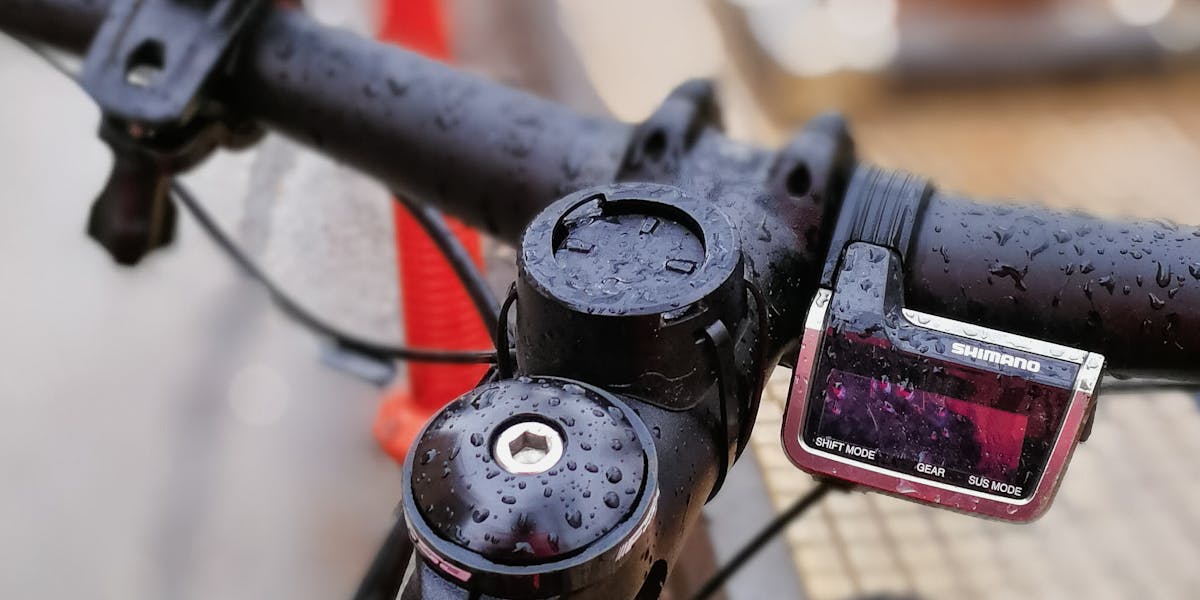
Detailed view of wet bicycle handlebars with raindrops, showcasing outdoor urban

Three Ways to Track Your Rides

You have three viable options for tracking cycling data: a dedicated bike computer, your phone with a mount, or a GPS watch. Each has genuine strengths and trade-offs that depend on how you ride, what data you want, and how much you're willing to spend.

Head-to-Head Comparison

FeatureBike ComputerPhone + MountGPS Watch
GPS Accuracy★★★★★★★★★☆★★★★☆
Battery Life15–40+ hours3–6 hours (GPS active)20–60 hours
Screen Visibility★★★★★ (sunlight)★★★☆☆ (glare)★★★☆☆ (small)
Sensor CompatibilityANT+ and BLEBLE only (usually)ANT+ and BLE
Turn-by-Turn NavigationYes (mid/high end)Yes (best maps)Basic (breadcrumb)
Crash RiskNone (designed for it)Phone can break in crashNone (on wrist)
Cost$150–$600$10–$50 (mount only)$200–$500 (multi-sport use)
Use Beyond CyclingNoYes (it's your phone)Yes (running, hiking, etc.)

Dedicated Bike Computers

Purpose-built for cycling. Sunlight-readable displays, long battery life, and native support for power meters, heart rate straps, cadence sensors, and electronic shifting. If cycling is your primary sport and you ride 3+ times per week, this is the best option.

Garmin Edge 540 — The sweet spot for serious cyclists. Solar charging option, 32+ hour battery, full mapping, ClimbPro feature for hill management. Training load and recovery metrics.
~$300 (standard) / $350 (solar) Check Price on Amazon
Program: Garmin Direct / Amazon Associates / REI
Wahoo ELEMNT BOLT V2 — Streamlined and simple. Aerodynamic design, excellent app integration, LED indicators for quick data glance. Less feature-rich than Garmin but easier to use.
~$280 Check Price on Amazon
Program: Amazon Associates / REI
Garmin Edge 130 Plus — Best budget bike computer with GPS. Compact, lightweight, 12-hour battery, basic navigation. All the essentials, no frills.
~$200 Check Price on Amazon
Program: Garmin Direct / Amazon Associates

Phone + Mount: The Budget Option

Most riders already have a capable GPS device — their phone. With a quality mount and apps like Strava, Ride with GPS, or Komoot, your phone handles tracking, navigation, and social features. But there are real downsides:

  • Battery drain: GPS + screen active = 3–6 hours max. Long rides require a battery pack.
  • Crash damage: Your $1,000 phone on handlebars is exposed. Many riders have learned this the hard way.
  • Screen readability: Phone screens wash out in direct sunlight unless at max brightness (more battery drain).
  • Vibration damage: Road vibrations can damage phone camera stabilization systems. Apple has published warnings about this.
Quad Lock Bike Mount Kit — The gold standard for phone mounting. Secure twist-lock mechanism, vibration dampener available separately. Doesn't come off in crashes (usually).
~$50–$70 (mount + case) Check Price on Amazon
Program: Amazon Associates / Quad Lock Direct

GPS Watch: The Multi-Sport Option

If you run, hike, and cycle, a GPS watch gives you one device for everything. Watches from Garmin, COROS, and Polar handle cycling data well but have limitations: small screen (hard to read mid-ride), limited navigation, and no direct power meter display on cheaper models.

Garmin Forerunner 265 — AMOLED display, multi-sport GPS, ANT+ sensor support. Excellent for cyclists who also run. 20-hour GPS battery life.
~$400 Check Price on Amazon
Program: Garmin Direct / Amazon Associates

Our Recommendation by Rider Type

Rider TypeBest OptionWhy
Casual / 1–2x per weekPhone + mountFree (you have the phone already)
Regular road cyclist (3x+/week)Bike computerPurpose-built, best screen, best battery
Multi-sport athleteGPS watchOne device for all sports
Serious cyclist + racerBike computer + watchComputer on bike for real-time data, watch for 24/7 health tracking

Sources & Further Reading

  1. DC Rainmaker. "Best Bike Computers 2025." dcrainmaker.com
  2. Garmin. "Edge Series Comparison." garmin.com
  3. Apple. "iPhone and Vibration Warnings for Motorcycle/Bike Mounts." support.apple.com
  4. Wahoo. "ELEMNT Comparison Guide." wahoofitness.com
  5. GPLama (YouTube). "Cycling Tech Reviews." youtube.com/@gplama
TRACKING SETUP COMPARISON Bike Computer Cost: $150-600 GPS: ★★★★★ Screen: ★★★★★ Battery: 15-40+ hrs Phone + Mount Cost: $10-50 GPS: ★★★★☆ Screen: ★★★☆☆ Battery: 3-6 hrs GPS Watch Cost: $200-500 GPS: ★★★★☆ Screen: ★★★☆☆ Battery: 20-60 hrs 💡 Casual rider? Phone works. Regular cyclist? Bike computer. Multi-sport? GPS watch.

Frequently Asked Questions

Is a cycling computer worth it over using my phone?

For serious cyclists, yes. Cycling computers have better GPS accuracy, always-on displays visible in sunlight, 15-40 hour battery life, ANT+/Bluetooth sensor connectivity, and survive rain and crashes. Phones overheat, drain battery, and break easily in bike mounts.

Can I use a running GPS watch for cycling?

Yes, most multisport GPS watches (Garmin Forerunner, COROS, Polar) have cycling modes. They track speed, distance, heart rate, and GPS. However, they lack the large display and bike-specific features (power meter support, shifting integration) of dedicated cycling computers.

What cycling computer features matter most?

GPS accuracy, battery life, screen visibility in sunlight, navigation/maps, sensor compatibility (power meter, heart rate, cadence), and data upload (Strava, TrainingPeaks). For casual riders, GPS and speed/distance are enough. For training, power meter support is essential.

More from Cycling

All Cycling →
Cycling Helmet Buying Guide: MIPS, WaveCel, and Safety Standards
Cycling

Cycling Helmet Buying Guide: MIPS, WaveCel, and Safety Standards

Not all helmets protect equally.

11 min read

Equipment Intel, Weekly

New analysis, test results, and gear science — delivered to your inbox.