Fast answer for "climbing helmet buying guide"
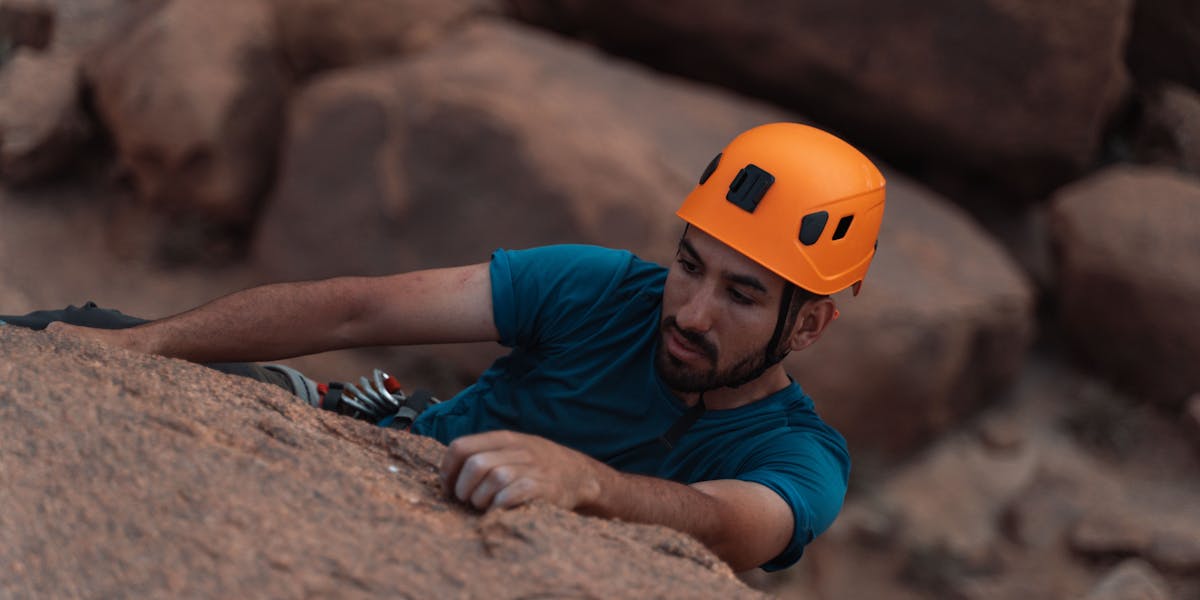
Buy a real climbing/mountaineering helmet with current certification and a stable fit. Replace it after a significant impact or manufacturer-recommended service life.
| Reader | First Check | Why It Fits | Buy Zone |
|---|---|---|---|
| First helmet | Certified all-around helmet | Fit, coverage, and wearability matter more than chasing the lightest model. | Try with layers |
| Sport/alpine | Light ventilated foam | Weight and ventilation can improve actual use if the fit is secure. | Inspect often |
| Trad/crag | Durable hybrid/hard shell | More shell durability can make sense for repeated crag use. | Check lifespan |
| MIPS buyer | Use-case upgrade | Rotational systems can be valuable, but certification and fit still come first. | Compare weight |
| After impact | Replace or manufacturer inspect | Foam damage can be hidden after a fall or rock strike. | Do not reuse blindly |
If you searched "climbing helmet," buy by certification, fit and replacement rules
The page now leads with safety-source checks before comparing Petzl, Black Diamond, or MIPS options.
Climbing helmet certification retailer option
Climbing helmets are PPE. Verify certification, fit, and manufacturer inspection/retirement guidance before purchase.
Climbing helmet decision matrix
Use this before buying from a sale listing.
Why Wear a Climbing Helmet?
A climbing helmet protects against two primary hazards: rockfall from above and impact to the head in the event of a fall. The second hazard — head impact during a fall — is underappreciated. On sport routes with ledges, or while trad climbing with complex movement sequences, even a lead fall can result in head contact with the wall or rock features.
Modern climbing helmets are remarkably light and comfortable. The old excuse that helmets are too heavy or hot no longer holds — performance helmets like the Petzl Sirocco weigh 165g, less than a can of soda.
Construction Types: Hard Shell vs Foam vs Hybrid
Climbing helmets use three primary construction methods, each with distinct protection profiles, weight characteristics, and price points.
| Type | Construction | Weight | Protection Profile | Typical Price |
|---|---|---|---|---|
| Hard Shell | ABS plastic shell + foam liner | 300–400g | Excellent top/side impact | $50–80 |
| In-Mold Foam | EPS foam + thin plastic cap | 165–250g | Excellent top, moderate side | $90–175 |
| Hybrid | EPS foam + partial hard shell | 250–320g | Good top and side | $60–110 |
Hard shell helmets use a stiff ABS plastic outer shell suspended above the head with a webbing cradle. They're highly resistant to sharp rock impacts and abrasion, but heavier and less ventilated. Best for trad climbing, alpine routes, and any discipline with significant rockfall exposure.
In-mold (foam) helmets bond an expanded polystyrene (EPS) foam liner directly to a thin polycarbonate shell. They're lighter and more ventilated, but the foam can crack on sharp-point impacts. Best for sport climbing, gym use, and alpine routes where weight is a priority.
Hybrid helmets attempt to get the best of both worlds — EPS foam for lightness with hard-shell panels for abrasion resistance. The Black Diamond Half Dome is the most popular example.
UIAA and CE Certifications: What They Mean
Two independent bodies certify climbing helmets: the UIAA (International Climbing and Mountaineering Federation) and CE (Conformité Européenne, European Standards). Both test for top impact, lateral (side) impact, retention system strength, and field of vision.
The CE EN12492 standard is the minimum requirement for helmets sold in Europe. UIAA 106 certification is slightly more stringent, particularly in the lateral impact tests. A helmet with both certifications is the gold standard — all major brands meet both.
Ventilation and Weight: Competing Priorities
Hard-shell helmets typically have minimal ventilation — the suspension system creates an air gap that helps somewhat, but large vent openings compromise the shell's structural integrity. In-mold helmets can have aggressive ventilation channels cut through the foam without compromising protection.
For warm-weather sport climbing, a well-ventilated in-mold helmet like the Petzl Sirocco (165g, 18 vents) dramatically reduces heat buildup during approach and climbing. For alpine or winter routes where warmth is more important than airflow, a less-vented hard shell or hybrid may be preferable.
Fit Guide: Measuring Your Head
Measure your head circumference with a flexible tape measure 1 cm above your eyebrows and around the widest part of the back of your head. Most climbing helmets fit head circumferences from 48–62 cm, with some models offering S/M and M/L sizing.
A properly fitting helmet should sit level on your head (not tilted back), should not rock forward/backward or side-to-side when you shake your head, and the retention system should hold it in place with firm but not uncomfortable pressure. The front edge should sit approximately 2 finger-widths above your eyebrows.
Top Picks 2026
Petzl Boreo BEST VALUE
The Boreo is the most recommended entry-level climbing helmet and has been for years. Its hard-shell ABS construction with suspension cradle handles rockfall reliably. The Centerfit system lets you adjust the headband from the front — a genuine convenience feature. At under $70, it's the best value in climbing safety.
~$65 Check Petzl Boreo
Petzl Sirocco EDITOR'S CHOICE — ULTRALIGHT
At 165g, the Sirocco is one of the lightest certified climbing helmets ever made. Eighteen large vents create excellent airflow for hot-weather climbing. The in-mold EPS foam construction meets both UIAA 106 and EN 12492 standards. If helmet weight has been your excuse for not wearing one, the Sirocco eliminates it.
~$145 Check Petzl Sirocco
Black Diamond Vision MIPS EDITOR'S CHOICE — ALL-AROUND
The Vision MIPS adds rotational impact protection to an already excellent low-profile in-mold design. MIPS (Multi-directional Impact Protection System) redirects rotational forces that can cause brain injury even when direct impact energy is within safe limits. The 19-vent design keeps you cool on approach and long routes. This is the helmet we'd recommend to anyone who wants the most comprehensive protection available under $150.
Sources & Further Reading
Reviewed June 5, 2026. Source notes emphasize helmet/PPE standards, inspection practices, and outdoor climbing safety context.