Cast Iron vs Competition Kettlebells
Every kettlebell you'll encounter falls into one of two fundamental categories. Understanding the difference determines which type fits your training goals.
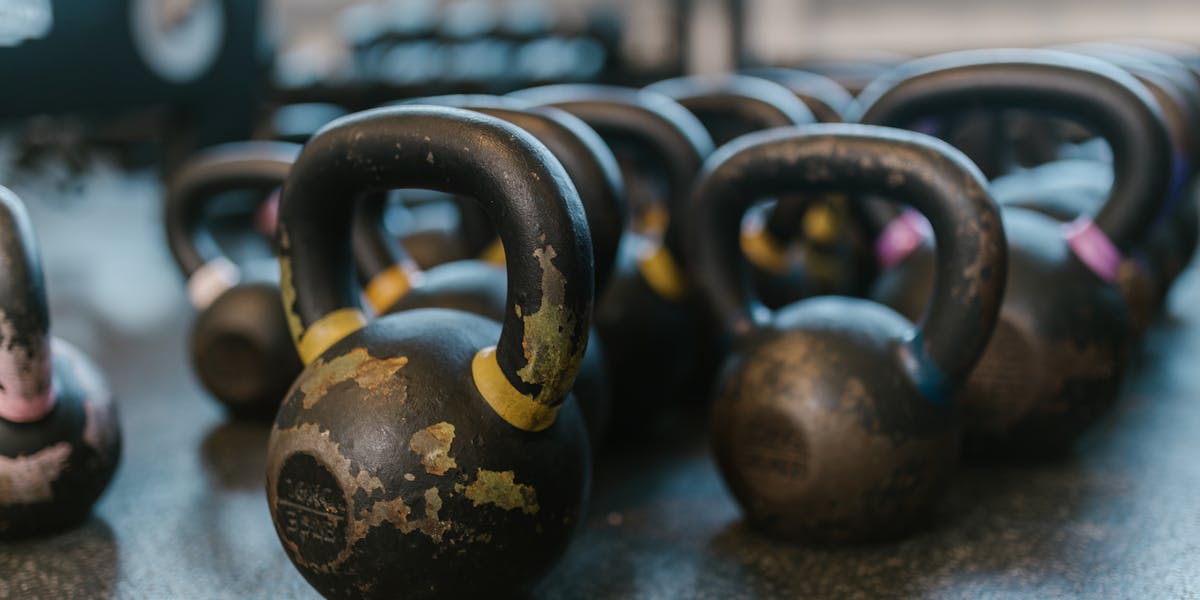
Cast iron kettlebells are made from a single piece of cast iron — handle and bell are one solid unit. The size of the bell scales with the weight, so a 32kg cast iron kettlebell is noticeably larger than a 16kg version. Handle diameter also varies slightly by manufacturer and weight. These are the standard choice for general fitness, CrossFit, strength training, and home gyms.
Competition (sport) kettlebells are hollow steel bells with a uniform body size regardless of weight. A 16kg and 32kg competition kettlebell are identical in dimensions. The handle diameter is standardized at 33-35mm across all manufacturers. This uniformity is critical for kettlebell sport athletes who need consistent ergonomics for long-cycle sets — changing weights shouldn't change technique.
| Feature | Cast Iron | Competition Steel |
|---|---|---|
| Body size | Scales with weight | Uniform regardless of weight |
| Handle diameter | Varies (28-35mm) | Standard 33-35mm |
| Material | Cast iron | Steel (hollow body) |
| Weight accuracy | ±2-3% | ±0.1-0.3% |
| Surface texture | Smooth to matte | Smooth with color coding |
| Price (per bell) | $1-1.50/lb typical | $2-3/lb typical |
| Best for | General training, home gyms | Sport training, serious technique work |
What to Look For in a Kettlebell
Handle finish: The handle should be smooth but not slick. Rough, sharp handles tear calluses and limit training duration. Powder-coated handles provide the best combination of grip and skin protection. Chrome and glossy painted handles are to be avoided — they're slippery when sweaty.
Flat base: A flat machined base allows the kettlebell to stand upright. This is essential for exercises like push-ups on the handles, renegade rows, and safe storage. Cheap kettlebells often have a slightly rounded base that makes the bell unstable when set down.
Handle opening width: The interior of the handle should allow two hands to grip comfortably for double-handed swings and goblet squats. For the 12-24kg range, look for a minimum 6-inch interior width. Narrow-handled bells force an uncomfortable grip in two-hand movements.
Single-piece casting vs. welded: Premium cast iron kettlebells are cast in one piece with no weld between handle and body. Welded kettlebells have a seam that can fail under heavy use and is uncomfortable against the forearm in rack position.
Choosing the Right Starting Weight
The most common mistake first-time kettlebell buyers make is choosing too light a weight. Kettlebells are fundamentally different from dumbbells — the offset center of mass means the movement patterns use much more muscle than equivalent dumbbell work.
| Profile | Recommended Starting Weight | Next Weight |
|---|---|---|
| Women (beginner) | 12 kg (26 lb) | 16 kg (35 lb) |
| Women (athletic) | 16 kg (35 lb) | 20-24 kg |
| Men (beginner) | 16 kg (35 lb) | 20 kg (44 lb) |
| Men (athletic, gym background) | 20-24 kg (44-53 lb) | 28-32 kg |
| Men (strong, barbell background) | 28-32 kg (62-70 lb) | 36-40 kg |
Top Kettlebell Picks 2026
Power Systems Elite Cast Iron Kettlebell EDITOR'S CHOICE
Power Systems supplies fitness equipment to commercial gyms and professional sports teams — their cast iron kettlebells use ASTM A48 Class 30 gray iron, the same specification used in CrossFit boxes and university strength programs. The powder-coated matte finish is ideal grip texture, the base is machined flat, and weight accuracy is tighter than most consumer brands. Available from 5 to 106 lbs.
~$49 (16kg) Buy at Power Systems
Best Budget Kettlebell
For budget-conscious buyers, the Yes4All Cast Iron Kettlebell is the most consistently recommended affordable option. The powder coating is rougher than premium brands (some users lightly sand it), but the flat base, single-piece construction, and weight accuracy meet the basic requirements at roughly $1/lb — significantly less than premium alternatives.
Yes4All Cast Iron Kettlebell BEST VALUE
Single-piece cast iron, flat base, and weight accuracy within 3% — at roughly $1/lb it's the best value in the budget category. The powder coat texture works fine for most users without modification.
~$35 (16kg) Check Price on Amazon
Full Comparison: Best Kettlebells 2026
| Kettlebell | Price (16kg) | Material | Coating | Best For |
|---|---|---|---|---|
| Power Systems Elite Cast Iron | ~$49 | ASTM A48 cast iron | Powder coat | Home gyms, commercial quality |
| Power Systems Competition | ~$89 | Steel (hollow) | Smooth enamel | Sport training, technique work |
| Rogue E-Coat | ~$58 | Cast iron | E-coat (durable) | Garage gyms, premium durability |
| REP Fitness Cast Iron | ~$42 | Cast iron | Powder coat | Home gym, value-quality balance |
| Yes4All Cast Iron | ~$35 | Cast iron | Powder coat (rough) | Budget buyers, beginners |
Essential Kettlebell Exercises
A kettlebell's value is determined by how you use it. The foundational movements that deliver the most benefit:
Kettlebell Swing: The fundamental kettlebell exercise. Targets posterior chain (glutes, hamstrings, lower back) through a hip-hinge pattern. The swing is a ballistic movement — the bell is projected using hip power, not arm strength. Start with 2-hand swings before progressing to 1-hand.
Turkish Get-Up (TGU): A complex, full-body movement from floor to standing while keeping a kettlebell pressed overhead. Develops shoulder stability, core strength, and hip mobility simultaneously. Typically uses a lighter weight than your swing bell.
Goblet Squat: Hold the bell by the horns at chest height and perform a deep squat. Excellent for learning squat mechanics, hip mobility development, and lower body strength.
Single-Arm Press: Overhead pressing develops shoulder strength and core stability. The unilateral loading of a kettlebell press forces more core engagement than bilateral barbell pressing.
Sources & Further Reading
- Tsatsouline, P. (2001). Enter the Kettlebell. Dragon Door Publications.
- Lake, J.P. & Lauder, M.A. (2012). "Kettlebell swing training improves maximal and explosive strength." Journal of Strength and Conditioning Research. 26(8): 2228-2233.
- Power Systems Elite Kettlebell Product Specification — powersystems.com (2025)
- International Kettlebell Sport Federation (IKSF) competition standards (2024)