Why Your Swim Cap Matters More Than You Think
A swim cap serves three functions: reducing drag in the water, protecting hair from chlorine, and keeping goggles secured. Most swimmers grab whatever is available at the pool desk — but matching cap material to your specific use case delivers measurable improvements in comfort and performance.
For competitive pool swimmers, cap drag reduction accounts for roughly 1–2% of total frontal drag — meaningful in a 100m sprint. For open water swimmers, warmth becomes the priority, and a standard silicone cap is inadequate below 60°F (15°C).
Silicone Caps: The Most Popular Choice
Silicone is the dominant material for recreational and masters swimmers. It is thicker than latex (0.5–1mm vs 0.3mm), which means it lasts longer, grips the head more firmly, and creates fewer surface wrinkles that increase drag.
The downsides are weight and heat retention. Silicone traps more heat than latex, uncomfortable in warm-water pools or during hot-weather open water swims. Price is also higher, typically $12–$30 versus $5–$12 for latex.
| Material | Drag | Durability | Warmth | Price | Best For |
|---|---|---|---|---|---|
| Silicone | Low | High (2–3 yrs) | Moderate | $12–$30 | Lap swimming, masters |
| Latex | Very low | Medium (6–18 mo) | Low | $5–$12 | Competitive pool |
| Lycra | High | High | None | $8–$18 | Hair protection, comfort |
| Neoprene | Medium | High | Very high | $25–$50 | Cold open water |
Speedo Silicone Swim Cap EDITOR'S CHOICE
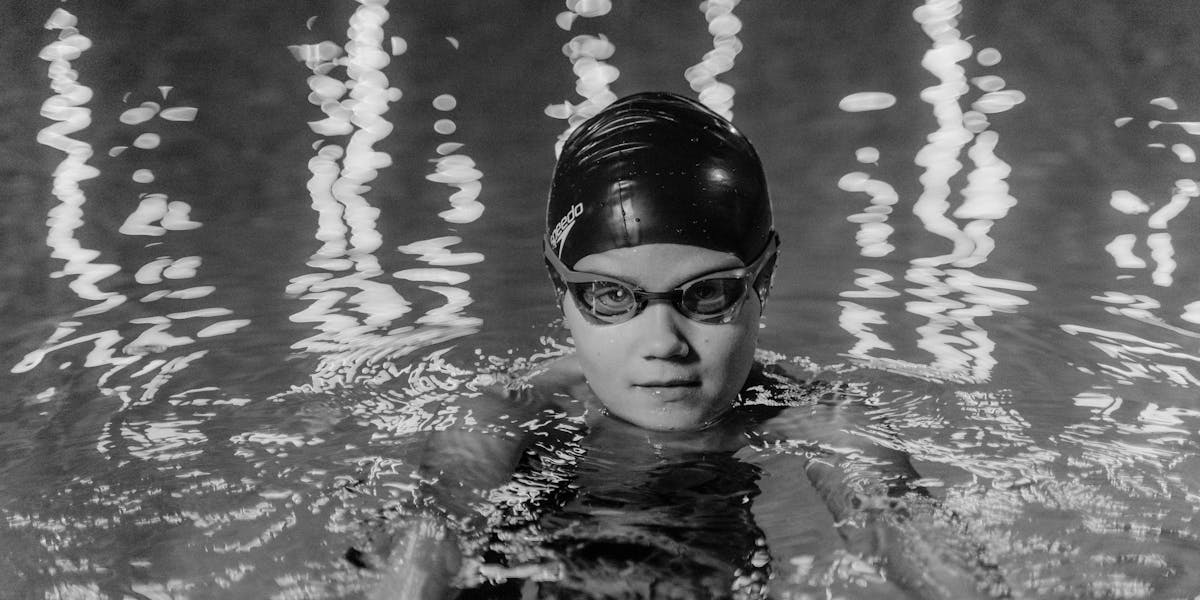
The Speedo silicone cap has been the benchmark for recreational swimmers for decades. The contoured dome creates a wrinkle-free fit across a wide range of head sizes, and the textured outer surface prevents goggle straps from sliding mid-swim. Expect 2–3 years of daily pool use.
Latex Caps: Faster but More Fragile
Latex caps are thinner and conform more precisely to the skull, minimizing surface irregularities that create drag. This is why FINA-legal competitive caps are typically latex or a latex-under-silicone combination. The trade-off is durability — chlorine degrades latex rubber, and fingernails or jewelry will tear it immediately.
Latex allergies affect 4–8% of the general population. If you experience skin irritation, itching, or redness at the hairline after use, switch to silicone or Lycra immediately.
Lycra and Neoprene Caps
Lycra (spandex) caps actually increase drag compared to latex and silicone due to their textured surface. Their purpose is hair protection and comfort. Long-term swimmers with chemically treated or fragile hair often prefer Lycra because it does not pull at the hairline and is inherently latex-free.
Neoprene caps are a separate category for cold open water swimming. A 2mm neoprene cap adds up to 2°C of perceived warmth — significant below 15°C (59°F). They are bulkier than silicone but the thermal benefit outweighs the drag penalty for most triathletes and open water swimmers.
Hair Length, Head Size, and Fit
Standard swim caps fit up to medium-length hair (shoulder-length when dry). Longer or thicker hair requires a long-hair or volume cap — these have a taller dome with 2–4cm of extra height. Forcing long hair into a standard cap creates pressure points, popped seams, and mid-swim failures.
Proper fit means the cap sits just above the ears and hairline without pulling. There should be no large air pockets (they increase drag), but the cap should not be so tight it causes headaches during long sessions. Wet your hair before application — this reduces friction significantly.
Zoggs Silicone Long Hair Swim Cap BEST FOR LONG HAIR
Zoggs designed this cap specifically for swimmers with long or thick hair. The taller dome fits braids and buns without uncomfortable pressure. Durable silicone construction at a fair price for the category.
Open Water Swim Caps: Visibility and Warmth
Open water caps serve two purposes pool caps do not: thermal protection and high-visibility safety. Most open water events require a brightly-colored cap provided by race organizers. If you train in open water, wearing a bright cap makes you visible to boats, paddleboarders, and safety kayakers.
For water temperatures below 60°F (15°C), a neoprene cap is essential. Some triathletes layer a silicone race cap over neoprene — the neoprene provides warmth while the silicone reduces drag. This is legal in most triathlon race formats.
Top Picks by Use Case
| Use Case | Recommended Cap | Material | Price |
|---|---|---|---|
| Everyday lap swimming | Speedo Silicone | Silicone | ~$18 |
| Competitive pool | TYR Latex (layer under silicone) | Latex | ~$8 |
| Long or thick hair | Zoggs Long Hair Cap | Silicone | ~$22 |
| Cold open water | Orca Neoprene Thermal Cap | Neoprene | ~$32 |
| Latex allergy | Speedo Silicone or Arena Lycra | Silicone/Lycra | $10–$18 |
Sources & Further Reading
- FINA Equipment Regulations — swimcap and goggle specifications
- Rushall, B.S. — Drag and Hydrodynamics in Competitive Swimming, SSUSA
- American Contact Dermatitis Society — Latex Allergy Clinical Guidelines
- Speedo, TYR, Zoggs, Orca product specification sheets, 2025–2026