Pull Buoys: What They Do and How to Use Them
A pull buoy is a figure-8 shaped foam float gripped between the thighs. It lifts the hips and legs to the surface, allowing swimmers to focus entirely on arm pull technique without the drag of sinking hips. Pull buoys are one of the most effective tools for building arm strength and improving stroke mechanics.
Most swim coaches recommend dedicating 20–30% of weekly swim volume to pull buoy sets. For triathletes who lack leg strength in the water (very common after years of cycling), pull buoys simulate the buoyancy effect of a wetsuit, helping build confidence and speed in open water swimming before wetsuit season.
Kickboards: What They Do and How to Use Them
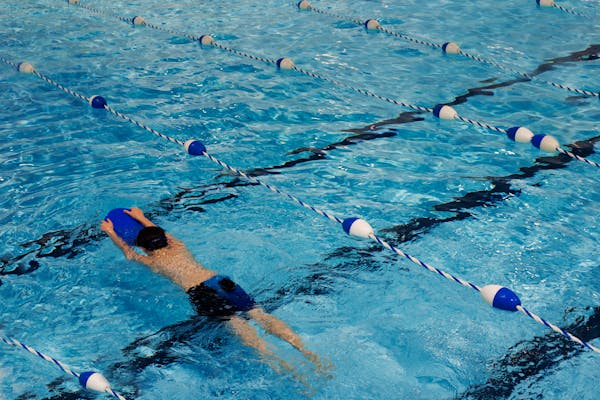
A kickboard is a buoyant foam board held with extended arms while you kick to propel yourself down the pool. It isolates leg kick from arm pull, enabling focused kick drill work and conditioning. Standard kickboards are 45–55cm long and made from closed-cell EVA foam.
There are two primary positions for kickboard use: outstretched arms (standard, emphasizes kick power) and tucked arms close to body (promotes better body rotation and is preferred by coaches for technique work). Most recreational swimmers use only the outstretched position — experimenting with the tucked position often reveals significant hip rotation deficits.
Foam Density and Pull Buoy Fit
Pull buoys use closed-cell EVA (ethylene vinyl acetate) foam. Higher density foam provides more buoyancy per unit volume — good for heavier athletes or those with very low body fat. Lower density foam is softer and more comfortable but compresses slightly under thigh pressure.
Pull buoy fit depends on thigh circumference. Standard figure-8 pull buoys fit most adults, but athletes with larger thighs may find the standard shape awkward. Ergonomic pull buoys (wider, with contoured grooves) provide a more secure grip and prevent the buoy from slipping during stroke cycles.
| Type | Shape | Best For | Price Range |
|---|---|---|---|
| Classic figure-8 | Two cylinders | Most swimmers | $12–$20 |
| Ergonomic contoured | Wider, grooved | Larger thighs, more stability | $20–$35 |
| Variable buoyancy | Adjustable chambers | Technique progression | $30–$50 |
| FINIS alignment style | Streamlined flat | Body rotation technique | $30–$45 |
TYR Pull Float EDITOR'S CHOICE PULL BUOY
TYR pull floats are the most common sight in competitive swim programs worldwide. The classic figure-8 shape grips securely between the thighs without slipping, the high-density EVA foam provides reliable buoyancy, and the durability is excellent — most last 3–5 years of heavy use. Straightforward, reliable, and priced right.
Essential Kickboard and Pull Buoy Drills for Triathletes
These four drills deliver the highest technique return for triathletes who have limited pool training time:
Pull buoy freestyle (arms only): Standard pull buoy sets focusing on catch and pull mechanics. 200–400m per set, 3–4 sets. Count strokes per length — aim to reduce count while maintaining pace.
Pull buoy with paddles: Add hand paddles to amplify force feedback. Reduces stroke count, builds lat and shoulder strength. Use only after pull mechanics are established — paddles on poor technique = injury risk.
Kickboard flutter kick: 4x25m at maximum effort, 2-minute rest between sets. Develops kick conditioning and establishes a kick rhythm that transfers to full stroke.
Vertical kick (no board): Kick in place vertically in deep water for 30-second intervals. The hardest kick drill — builds explosive kick power that translates to faster swimming.
Top Pull Buoy and Kickboard Picks 2026
| Product | Type | Best For | Price |
|---|---|---|---|
| TYR Pull Float | Pull buoy (classic) | Most swimmers | ~$18 |
| Speedo Ergonomic Pull Buoy | Pull buoy (ergonomic) | Larger athletes, stability | ~$28 |
| Speedo Team Kickboard | Kickboard (standard) | All levels | ~$22 |
| FINIS Alignment Kickboard | Kickboard (technique) | Rotation development | ~$38 |
Speedo Team Kickboard BEST VALUE KICKBOARD
The Speedo Team kickboard is used by age-group and masters programs worldwide. High-density EVA foam, ergonomic notched grip for thumb comfort, and sized correctly for adult hands. It will last years of chlorine exposure without warping or softening. Simple, proven, affordable.
Sources & Further Reading
Reviewed June 18, 2026. Source notes emphasize swimming equipment rule context, safe training environments, and multisport training relevance.