Wetsuit Fundamentals for Open Water Swimming
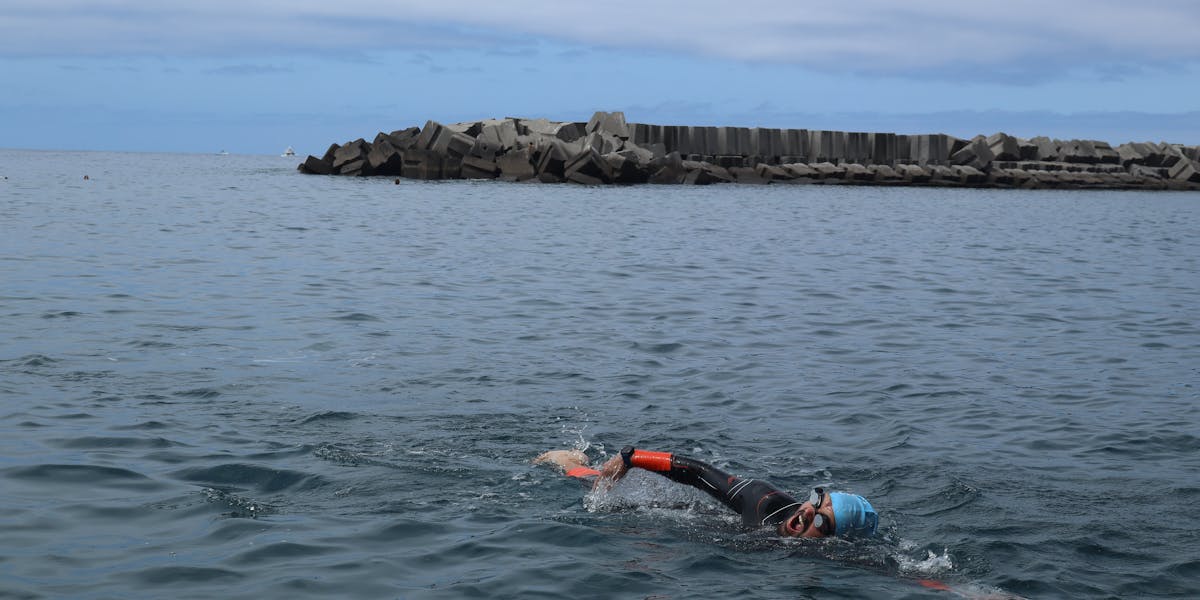
Open water swimming differs from pool swimming in three critical ways: water temperature varies dramatically, there are no lane markers for navigation, and environmental hazards from waves, currents, and boat traffic create safety risks. The right gear addresses all three.
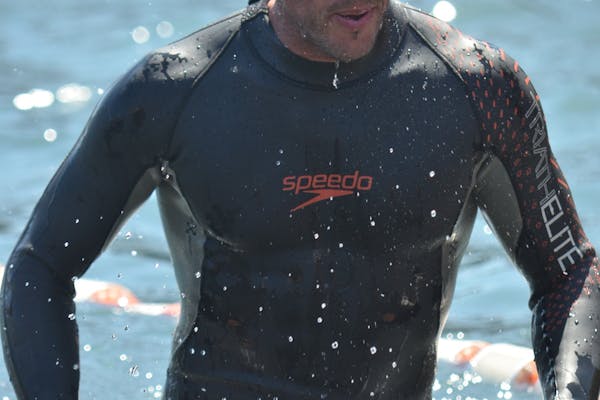
A triathlon wetsuit is the most impactful piece of open water gear you can buy. Unlike standard surfing wetsuits, triathlon wetsuits are designed for forward swimming motion — thin neoprene in the shoulder and arm panels allows full freestyle rotation while thicker panels in the core provide buoyancy and warmth.
Water Temperature Guide: What to Wear
Water temperature — not air temperature — determines what you should wear for an open water swim. The two risks are hypothermia (too cold) and hyperthermia (overheating in warm water with a wetsuit on).
| Water Temp | Recommended Gear | Notes |
|---|---|---|
| Above 78°F (26°C) | Swimsuit only | Wetsuits may be banned in competition; overheating risk |
| 72–78°F (22–26°C) | Optional wetsuit | Wetsuit legal in most triathlons below 24°C for USAT |
| 60–72°F (15–22°C) | Wetsuit recommended | Standard triathlon wetsuit (3/2mm full suit) |
| 50–60°F (10–15°C) | Wetsuit + neoprene cap + gloves | Add thermal cap and possibly booties |
| Below 50°F (10°C) | Full thermal wetsuit + cap + gloves + booties | Cold water shock risk — never swim alone |
Tow Floats and Safety Buoys
A tow float is a brightly-colored inflatable buoy attached to a waist band via a short leash that trails behind you while you swim. They serve two purposes: high-visibility safety (boats can see you from much greater distances) and a rest point if you become fatigued or injured mid-swim.
Most tow floats also double as dry bags — you can store keys, a phone, and snacks inside the waterproof compartment. This makes them practical for solo open water training regardless of distance.
ZONE3 Swim Tow Float and Dry Bag EDITOR'S CHOICE
The ZONE3 combines maximum visibility (bright orange/pink options) with a fully waterproof dry bag compartment that fits a phone, keys, and energy gels. The leash attachment sits low on the waist and does not interfere with swim stroke. Mandatory for solo open water training in our opinion.
Sighting and Navigation in Open Water
Without lane lines, open water swimmers rely on sighting — lifting the head briefly every 6–10 strokes to spot landmarks, buoys, or the far shore. Poor sighting technique costs energy and adds distance; efficient sighting takes 6 months to develop into a consistent habit.
For training, bright landmark buoys help establish navigation patterns. Some open water training venues use a buoy course that simulates race conditions. GPS swim watches (Garmin Forerunner, COROS Pace 3) can track your route and highlight how much zigzag distance you are adding due to poor sighting.
Thermal Protection: Caps, Gloves, and Booties
When water temperature drops below 60°F (15°C), a standard wetsuit is no longer sufficient alone. The head, hands, and feet are extremities with high surface-area-to-volume ratios — they lose heat faster than the torso. Neoprene thermal caps (2mm), gloves, and booties address each area.
A 2mm neoprene thermal cap adds approximately 2°C of perceived warmth and significantly extends comfortable swim time in cold conditions. Neoprene swim gloves provide grip and warmth but reduce the feel of the water, which can affect stroke technique temporarily.
Orca Neoprene Thermal Swim Cap BEST COLD WATER VALUE
At 2mm neoprene, the Orca thermal cap provides meaningful warmth without the bulk of a dive hood. It fits under a standard swim cap, which is the setup used by most cold-water open water swimmers in competitions where neoprene caps are permitted.
~$32 Check current neoprene thermal swim cap open water deals
Open Water Safety Gear Checklist
Never enter open water without the following minimum safety provisions:
| Safety Item | Purpose | Required Below |
|---|---|---|
| Tow float / safety buoy | Visibility + rest point | All conditions |
| Bright swim cap (orange/yellow) | Boat visibility | All conditions |
| Wetsuit | Buoyancy + thermal | 68°F (20°C) |
| Neoprene thermal cap | Head heat retention | 60°F (15°C) |
| Neoprene gloves | Hand heat retention | 55°F (13°C) |
| Swim buddy / shore support | Emergency assistance | Below 60°F / always advised |
Sources & Further Reading
Reviewed June 18, 2026. Source notes emphasize open-water competition rules, visibility and safety context, and drowning-prevention guidance.