Quick Answer: Start With Six Essentials
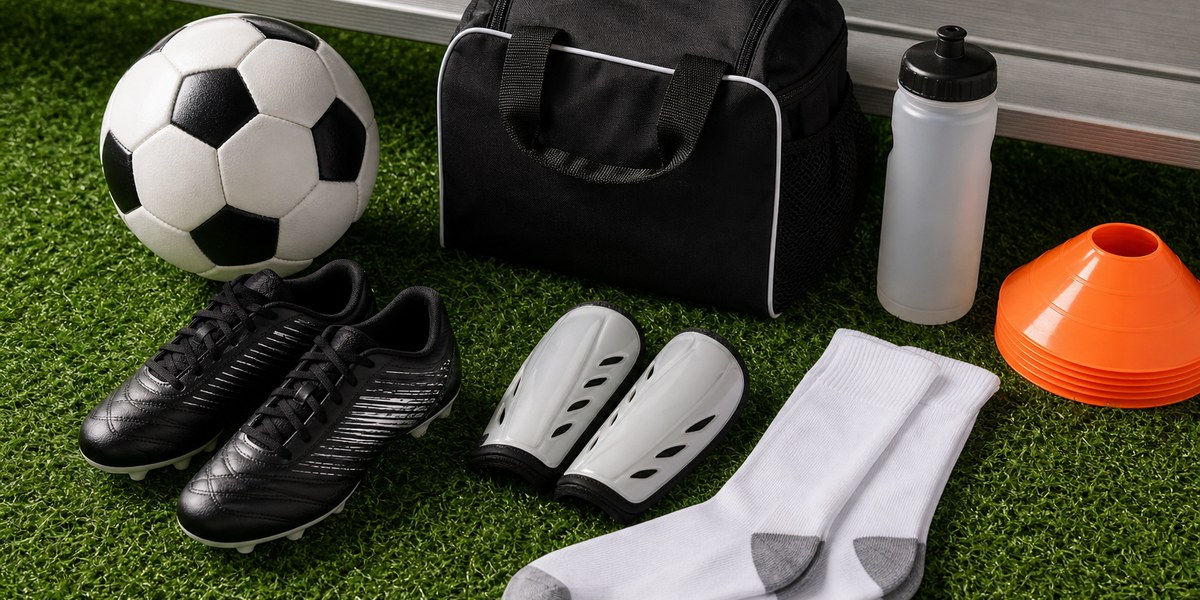
A new youth soccer player needs an age-appropriate ball, shin guards, soccer socks, footwear for the playing surface, a water bottle, and a small bag. Add cones and a rebounder later if the child is still practicing after the first few weeks.
- Buy the correct ball size before buying premium gear.
- Shin guards and socks matter for practices as well as games.
- Choose shoes for the league surface: grass, turf, indoor, or mixed.
| Item | Starter Recommendation | Upgrade Later |
|---|---|---|
| Soccer ball | Age-size training ball | Premium match ball |
| Footwear | Surface-appropriate cleats, turf shoes, or indoor shoes | Position-specific models |
| Protection | Shin guards plus long socks | Sleeve-style guards or backup pair |
| Practice gear | Four cones and a pump | Rebounder, ladder, mini goals |
The First Six Things to Buy
Start small. A new player does not need every training aid on day one. The first six items are the ball, shin guards, soccer socks, shoes for the surface, water bottle, and bag.
Fit is more important than brand. A child who can control the ball and move comfortably will enjoy the sport more than a child wearing expensive gear that is too stiff, too large, or wrong for the surface.
Choose the Right Ball Size
Younger players should not learn on an adult-size ball if their league uses a smaller one. A smaller ball helps kids pass and shoot with cleaner technique. Check your local league rules before buying, because age bands vary by program.
For practice at home, choose a durable training ball before spending on a high-end match ball.
Pick Shoes for the Surface
Firm-ground soccer cleats are for natural grass. Turf shoes are better on artificial turf. Indoor shoes are for gym floors and futsal-style courts. Baseball or football cleats can have stud patterns that are not appropriate for soccer leagues.
Leave room for toes without letting the heel slip. Kids grow quickly, but oversized cleats make touch and balance worse.
A Simple Home Practice Setup
Four cones can create dribbling gates, passing targets, and first-touch boxes. A wall can work as a rebounder. Add mini goals or a real rebounder only if the child keeps practicing.
For safety, keep heading practice age-appropriate and follow league guidance. Skill work for new players should focus on dribbling, passing, stopping the ball, and moving into space.
Frequently Asked Questions
What does a new youth soccer player need first?
Start with the correct ball size, shin guards, long soccer socks, surface-appropriate shoes, water bottle, and a bag.
Should kids start with expensive cleats?
No. Fit and surface match matter more than premium models for beginners.
What ball size should I buy?
Check your local league age chart. Younger children usually use smaller balls, while older teens and adults use size 5.
Is a rebounder necessary for beginners?
No. A wall, cones, and a ball are enough at first. Add a rebounder if the child practices consistently.
Sources & Further Reading
Reviewed June 3, 2026. Source notes emphasize official standards, sport safety guidance, and practical gear-selection references.