×
Sports
Fitness & Outdoors
Content
Soccer · Materials Science · Report #TSP-SO-001

Soccer Ball Types Decoded: Match Balls vs Training Balls vs Futsal — What You Actually Need

A $160 match ball and a $25 training ball look similar but perform completely differently. Here's what matters.

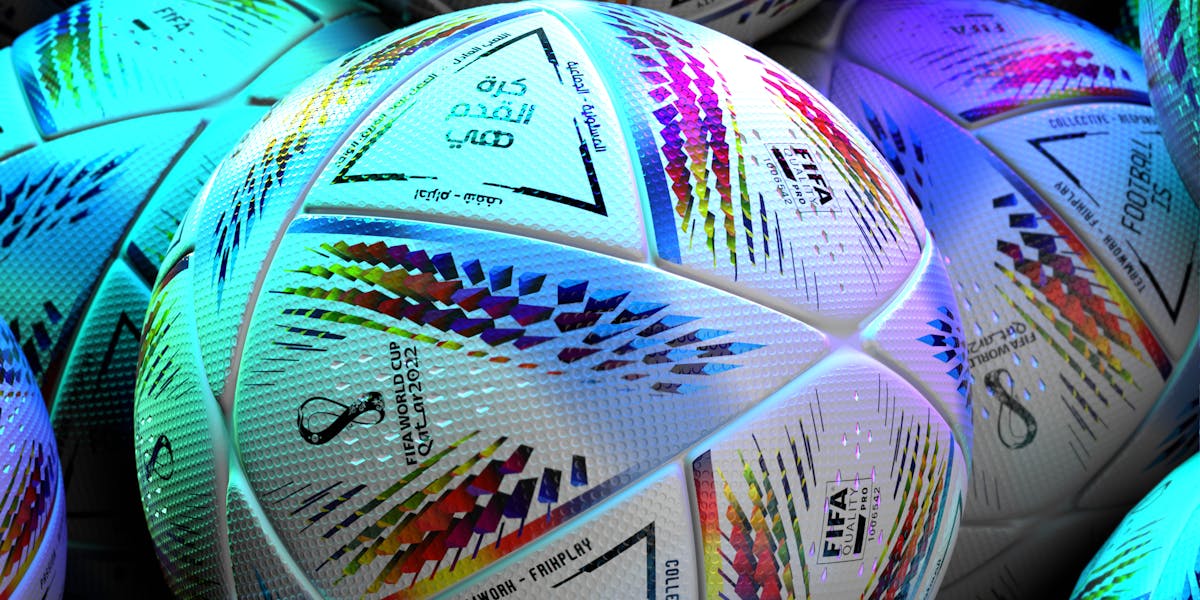
Eye-catching display of vibrant FIFA World Cup soccer balls, highlighting sports

A $160 Match Ball vs a $25 Training Ball: What's the Difference?

The difference is real and measurable. FIFA Quality Pro match balls must pass testing for circumference, sphericity, weight, water absorption, rebound, pressure loss, and shape retention. A premium match ball holds its shape through 2,000+ kicks, flies truer in the air, and responds more predictably to spin. A cheap ball warps, absorbs water, and becomes lopsided after a few months.

But here's the secret: most players don't need a match ball. Training balls and replica balls offer 85% of the performance at 20% of the cost.

Match Balls (FIFA Quality Pro / FIFA Quality)

The balls used in professional matches. Two tiers of FIFA certification:

  • FIFA Quality Pro: Highest standard. Used in World Cup, Champions League, MLS. Must pass 7 tests including shape retention after 2,000 kicks, water absorption under 10%, and perfect sphericity.
  • FIFA Quality: Second tier. Still excellent but with slightly wider tolerances. Used in many domestic leagues.
Adidas Al Rihla Pro (FIFA Quality Pro) — The 2022 World Cup match ball. Thermally bonded panels, textured surface for aerodynamic consistency. The real match ball, not the replica.
~$120–$165 Check Price on Amazon
Program: Adidas Direct / Amazon Associates
Nike Flight (FIFA Quality Pro) — Nike's premium match ball. AerowSculpt technology with molded grooves for consistent flight. Used in Premier League and Serie A.
~$150–$165 Check Price on Amazon
Program: Nike Direct / Amazon Associates

Training Balls: The Smart Buy for Most Players

Training balls are built for durability over performance perfection. They use machine-stitched or hand-stitched panels (instead of thermal bonding), thicker outer layers, and reinforced bladders. They hold up to daily use on rough surfaces but won't fly as true as match balls.

Nike Pitch Training Ball — The best budget training ball. Machine-stitched TPU panels, durable rubber bladder, high-contrast graphics for visibility. Excellent value for team training.
~$20–$25 Check Price on Amazon
Program: Nike Direct / Amazon Associates
Adidas Tiro League Ball (FIFA Quality) — Step-up training ball with FIFA Quality certification. Thermal bonded panels for better shape retention. Great for competitive training sessions.
~$30–$40 Check Price on Amazon
Program: Adidas Direct / Amazon Associates
SELECT Numero 10 V22 — Hand-stitched, Zero Wing bladder for consistent rebound. Used as training ball by numerous college programs. Exceptional quality for the price.
~$35–$50 Check Price on Amazon
Program: Amazon Associates

Futsal Balls: Completely Different

Futsal balls are smaller (size 3–4), heavier, and have a low-bounce bladder. They're designed for hard indoor court surfaces and stay on the ground better, encouraging the quick passing and footwork that defines futsal.

  • Size: Smaller than standard (size 4 circumference with size 5 weight)
  • Bounce: 50–65cm on first bounce (standard ball: 120–150cm)
  • Feel: Heavier and denser, rewards technique over power
Nike Futsal Maestro — Felt cover for enhanced ball control on hard courts. Low-bounce bladder. The go-to futsal ball for recreational and competitive play.
~$30 Check Price on Amazon
Program: Nike Direct / Amazon Associates

Size Guide

SizeCircumferenceWeightAge Group
Size 1 (Skills)18"–20"7 ozSkills training / collectible
Size 323"–24"11–12 ozUnder 8
Size 425"–26"12–13 ozAges 8–12
Size 527"–28"14–16 ozAges 13+ / Adult

Construction Methods

MethodQualityDurabilityFlight ConsistencyPrice Range
Machine stitchedBasicGoodModerate$15–$30
Hand stitchedGoodVery goodGood$30–$60
Thermally bondedPremiumExcellentExcellent$80–$165

Thermal bonding eliminates stitching entirely — panels are fused together with heat, creating a seamless surface. This produces the most consistent flight characteristics and best water resistance. It's the construction method used in all FIFA Quality Pro match balls.

The Smart Buying Strategy

  • Team training: Buy bulk training balls ($20–$30 each). They'll take a beating and you need quantity.
  • Personal practice: Get one quality FIFA Quality ball ($30–$50). Better feel develops better touch.
  • Match day: Only spring for FIFA Quality Pro ($100+) if your league requires it. Most rec leagues don't.
  • Youth: Match the size to the age group (see chart above). Using adult-size balls with young kids teaches bad habits and risks injury.
Sources & Further Reading

  1. FIFA. "Quality Programme for Footballs." fifa.com/technical
  2. Soccer.com. "Ball Buying Guide." soccer.com
  3. World Soccer Shop. "Match Ball vs Training Ball Comparison." worldsoccershop.com
  4. US Soccer. "Youth Development Equipment Standards." ussoccer.com
  5. Unisport (YouTube). "Football Boot and Ball Reviews." youtube.com/@unabortvideo
SOCCER BALL TIERS — QUALITY vs PRICE FIFA Quality Pro Thermally bonded Match balls $120-165 ★★★★★ FIFA Quality Hand stitched Training+ $30-60 ★★★★☆ IMS (Intl Match Std) Hand/machine Good training $25-45 ★★★☆☆ No certification Machine stitched Rec / practice $15-25 ★★☆☆☆ 💡 Best value: FIFA Quality training ball ($30-50). Match balls only needed for competitive play.
adidas Copa Pure IV Elite FG — Tour-level leather cleat — the choice of technical midfielders worldwide
~$225 Shop at Soccer Garage →
Soccer Garage via CJ Affiliate

Frequently Asked Questions

What size soccer ball should I buy?

Size 3: ages 8 and under. Size 4: ages 8-12. Size 5: ages 13+ and adults (official match size). Using the correct size is crucial for developing proper technique and preventing injury in young players.

What is the difference between a match ball and a training ball?

Match balls use thermally bonded panels for truer flight and consistent touch, costing $100-160. Training balls use machine-stitched panels, are more durable, and cost $15-40. For practice, training balls are fine. For competitive play, match balls perform noticeably better.

Do I need FIFA-approved soccer balls?

Only for official FIFA-sanctioned matches. FIFA Quality Pro balls pass rigorous testing for weight, circumference, roundness, bounce, and water absorption. For recreational and youth league play, any quality ball in the right size is sufficient.

More from Soccer

All Soccer →
Soccer Cleat Buying Guide: FG, SG, Turf, and Indoor
Soccer

Soccer Cleat Buying Guide: FG, SG, Turf, and Indoor

The playing surface dictates the outsole.

10 min read

Equipment Intel, Weekly

New analysis, test results, and gear science — delivered to your inbox.