What Is a Plyo Box?
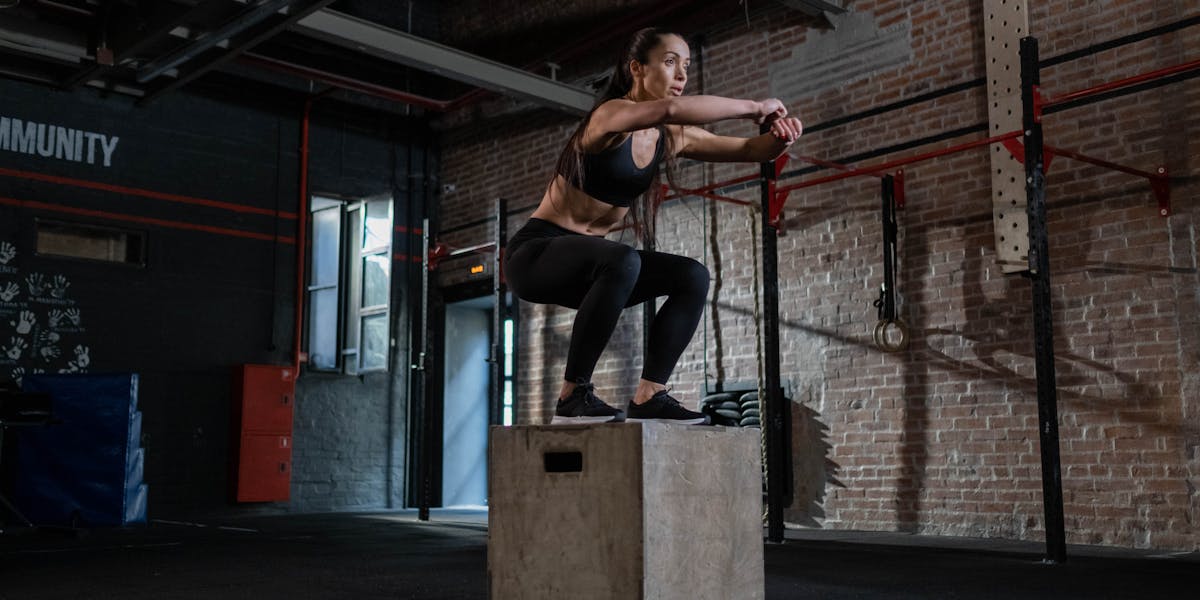
A plyo box (plyometric box) is a stable elevated platform used for explosive jump training: box jumps, step-ups, depth jumps, and seated jump training. Unlike the name implies, plyo boxes are used for far more than plyometrics — they are also excellent for step-ups (single-leg strength), dips, incline push-ups, and as an elevated surface for Bulgarian split squats.
The three defining purchase decisions are material (which determines safety on a missed rep), height (which determines training load), and surface grip (which determines landing security). Most buyers underestimate how much material matters when they miss a jump.
Wood vs Foam vs Metal: Full Comparison
| Material | Injury Risk (Missed Rep) | Stability | Durability | Price Range | Best For |
|---|---|---|---|---|---|
| Solid Wood (Baltic Birch) | High — hard sharp edges | Excellent | 10+ years | $80–$200 | Strength training, step-ups, technical jumping |
| Foam (EVA/PU covered) | Very Low — soft edges compress on contact | Good | 3–7 years | $100–$250 | High-rep jump training, beginner box jumping |
| Steel / Metal | Extreme — hardest possible surface and edge | Outstanding | 20+ years | $150–$400 | Commercial gyms, experienced athletes who never miss |
| 3-in-1 Wood (adjustable) | High | Excellent | 10+ years | $120–$250 | Home gyms wanting multiple heights in one unit |
Power Systems Foam Plyo Box EDITOR'S CHOICE
For athletes doing high-rep box jump work or those new to plyometric training, the foam box eliminates the most consequential failure mode: a missed jump that shears the shin on a hard edge. The Power Systems foam box uses a high-density EVA foam core with a non-slip vinyl cover. It holds up to 350 lb of applied load, handles depth jumps, and the soft edges compress harmlessly on a missed attempt. Available in 20", 24", and 30" heights.
~$149 View on Power Systems →
Choosing the Right Starting Height
Box height determines how much power output is required to complete a rep. The right starting height is the tallest box you can land on with your hips above parallel — a soft, controlled landing with full foot contact, knees tracking over toes, and no excessive forward lean.
If your landing looks like you are "crashing" onto the box (noisy, collapsing through the hips, toes-first), the box is too tall for your current power level. Step down one height increment and build from there.
| Athlete Level | Starting Height | Notes |
|---|---|---|
| Beginner / Deconditioned | 12–16 inches | Focus on landing mechanics before adding height |
| Intermediate | 20–24 inches | Standard training height for most fitness athletes |
| Advanced (male) | 24–30 inches | Common height for CrossFit competition (24" standard) |
| Advanced (female) | 20–24 inches | CrossFit competition standard is 20" |
| Elite / Athlete | 30–42 inches | Max vertical training; full landing mechanics required |
Power Systems 3-in-1 Wood Plyo Box BEST VALUE
Baltic birch construction with sanded edges (softer than a raw-cut box but still hard — use on technical work, not high-rep failures). The 3-in-1 design covers 20, 24, and 30 inch heights in a single unit. Non-slip grip tape on the top surface prevents foot slip on landing. At $129–$149, this is the strongest value proposition in plyo box pricing for home gyms.
~$129 View on Power Systems →
Key Plyo Box Exercises
A plyo box is more versatile than most gym members realize. Beyond box jumps, the platform enables:
- Step-ups: Single-leg strength builder; hold dumbbells for loading
- Bulgarian split squats: Rear foot elevated on box; best single-leg quad exercise
- Box dips: Tricep dips off the box edge with feet on floor or elevated
- Depth jumps: Step off the box, land, immediately jump — develops reactive strength
- Lateral box jumps: Jump laterally over the box; trains frontal plane power
- Seated box jumps: Start seated on the box, explode to stand — pure power output test
- Incline push-ups: Hands on box; reduces bodyweight load for upper body progressions
Sources & Further Reading
- NSCA — Plyometric Training Guidelines and Safety Protocols
- Journal of Strength and Conditioning Research — Box Jump Height and Injury Risk (2023)
- Power Systems Plyo Box Specifications (powersystems.com)
- CrossFit Games Equipment Standards — Box Jump Heights (2025)