Fast answer for "SPD vs Look vs Speedplay"
Start with shoe compatibility and walking needs. SPD is easiest off-bike, SPD-SL/Look are road-focused, and Speedplay is fit-adjustable but cleat-specific.
| Reader | First Check | Why It Fits | Buy Zone |
|---|---|---|---|
| Commuter/gravel | Shimano SPD | Recessed two-bolt cleats are easier to walk in and clip from both sides. | Walkability |
| Road beginner | SPD-SL or Look | Three-bolt road systems offer a wide platform but poor walking comfort. | Road focus |
| Bike-fit sensitive | Speedplay | Adjustable float and stance options help fit-driven riders. | Fit first |
| Knee discomfort | More float + fit check | Cleat position matters before pedal price. | Get fitted |
| System switch | New cleats | Three-bolt shoe mounting does not mean cleats work across pedal brands. | Match system |
If you searched "clipless pedals," do not confuse shoe holes with cleat compatibility
The page now separates two-bolt, three-bolt, and Speedplay fit decisions before product links.
Clipless pedal compatibility retailer option
Verify shoe mount, pedal system, cleat model, and float before buying.
Clipless pedal decision matrix
Use this before switching pedal systems.
What Are Clipless Pedals?
The name is confusing: clipless pedals are the ones you clip into. The term originated in the 1980s when they replaced toe-clip-and-strap systems. A cleat on the bottom of your cycling shoe locks into a spring-loaded mechanism on the pedal, releasing when you twist your heel outward.
The benefits are real and measurable. Clipless pedals improve power transfer by allowing you to pull through the bottom of the pedal stroke, reduce foot movement that bleeds energy, and give you a fixed, repeatable foot position every ride — critical for injury prevention at high mileage.
The 3 Major Cleat Systems
Three systems dominate the market, and they are not cross-compatible. Your pedal choice locks you into a specific shoe/cleat ecosystem. Before buying, understand what you're committing to — changing systems means buying new cleats and potentially new shoes.
| System | Bolt Pattern | Float | Walkability | Best For |
|---|---|---|---|---|
| Shimano SPD (2-bolt) | 2-bolt M standard | 0°–6° | Excellent (recessed cleat) | MTB, gravel, commuting, touring |
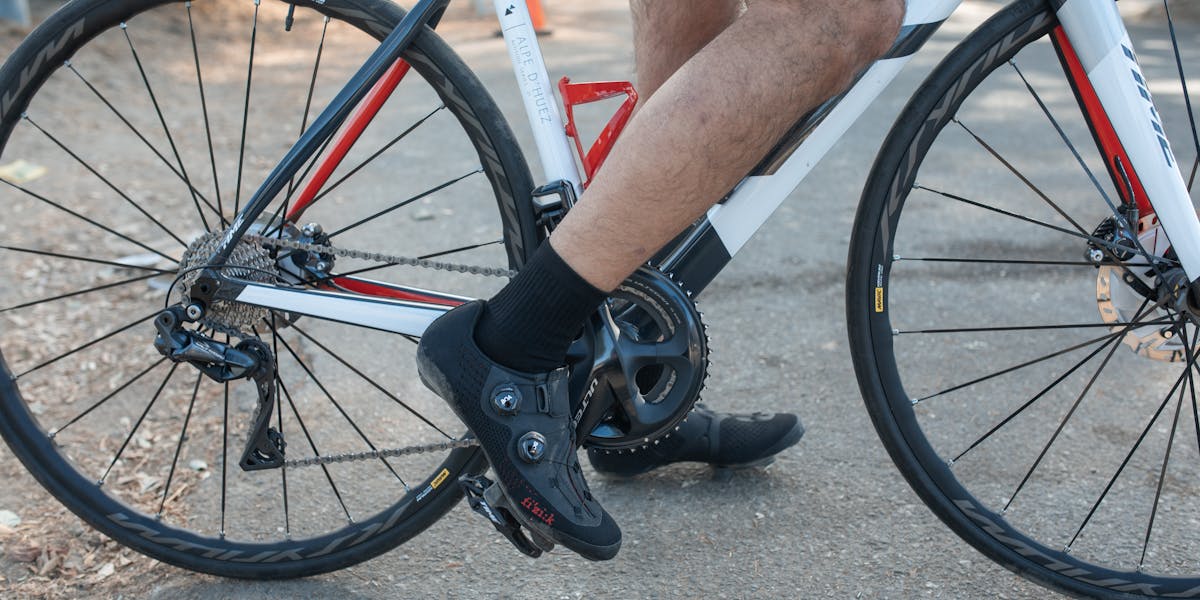
| Look Keo (3-bolt) | 3-bolt shoe mount; Look Keo cleat | 0-9 degrees | Poor (cleat protrudes) | Road cycling, triathlon, performance |
| Speedplay (4-bolt) | 4-bolt proprietary | 0°–15° | Poor (cleat protrudes) | Road, triathlon, knee-sensitive riders |
| Shimano SPD-SL (3-bolt) | 3-bolt shoe mount; SPD-SL cleat | 0-6 degrees | Poor (cleat protrudes) | Road cycling, performance |
Shimano SPD: The Versatile All-Arounder
SPD (Shimano Pedaling Dynamics) uses a small 2-bolt metal cleat that recesses into a recess in the shoe sole. This makes the cleat virtually invisible when walking — you can stride normally into a coffee shop, across gravel parking lots, and through transition areas without the distinctive "cleat clack" of road systems.
The dual-sided engagement of most SPD pedals (you can clip in from either side) is a major practical advantage for stop-and-go riding. MTB, gravel, commuter, and touring cyclists overwhelmingly prefer SPD for this reason.
Look Keo: The Road Standard
Look invented the clipless pedal in 1984 and the Keo system remains one of the most popular road platforms worldwide. The large plastic cleat attaches via 3 bolts (Delta pattern, compatible with many road shoes) and offers a wide platform that spreads pedaling force across more shoe sole area — beneficial on long rides.
Look cleats come in three float options: Keo Grey (0°), Keo Red (9°), and Keo Black (4.5°). Most riders start with the Red for knee comfort and switch to Grey if they want more precision engagement at the cost of some forgiveness.
Look Keo Classic 3 EDITOR'S CHOICE
The best value entry into the Look system. Composite body keeps weight reasonable at 250g/pair, the wide platform is stable for long miles, and 9° float cleats ship in the box — ideal for beginners and recreational road riders.
Speedplay: Maximum Float, Unique Design
Speedplay (now owned by Wahoo) flips the conventional design: the spring mechanism is in the cleat, not the pedal. This gives Speedplay its famous symmetrical, double-sided engagement — both faces of the pedal work. The axle is hollow, which combined with the tiny pedal body produces some of the lightest clipless pedals made.
Speedplay's greatest differentiator is adjustable float ranging from 0° to 15°. For riders with knee tracking issues or leg length discrepancies, this level of customization can be medically significant. The trade-off is a more complex cleat with a walkability cover that flips up, and higher cost.
Understanding Float: How Much Do You Need?
Float is the amount your foot can rotate laterally before the cleat releases. Zero-float systems lock your foot in a fixed position — great for maximum power transfer but unforgiving on knee alignment. Higher float allows natural ankle movement during the pedal stroke.
General recommendations: beginners and riders with any knee history should start at 6–9° float. Experienced riders chasing power can experiment with lower float once their pedaling mechanics are consistent and injury-free. If you feel knee pain within 30 minutes of a ride, increase float before adjusting fit.
| Float Level | Best For | Knee Risk |
|---|---|---|
| 0° (zero) | Elite racers, locked biomechanics | High if alignment is off |
| 4–6° | Experienced recreational/competitive | Moderate |
| 9°+ | Beginners, riders with knee history | Low |
Road vs MTB Clipless: Which Do You Need?
The distinction isn't just about the bike — it's about how much you walk. Road pedals (Look, SPD-SL, Speedplay) use large cleats and are designed to be used exclusively on the bike. MTB/gravel pedals (SPD and clones) use recessed cleats for hike-a-bike and off-bike mobility.
Many road cyclists are switching to SPD for exactly this reason. The efficiency difference at recreational power outputs is negligible, and the ability to walk normally into restaurants, offices, or transit is transformative. If you commute, ride gravel, or do anything that involves walking in your bike shoes, SPD is nearly always the right answer.
Top Clipless Pedal Picks 2026
Shimano PD-M8100 XTR SPD EDITOR'S CHOICE — MTB/GRAVEL
XTR-level SPD with hollow chromoly axle, alloy body, and titanium hardware for a 252g/pair weight. Dual-sided, adjustable tension, and the engagement is buttery smooth. For serious gravel or MTB use, nothing in the SPD lineup matches it.
~$160 Check Shimano PD-M8100
Shimano PD-R7000 105 BEST VALUE — ROAD
The sweet spot of the SPD-SL road lineup. Carbon composite body (316g/pair), stainless steel body plate, and SPD-SL cleat; do not use Look cleats in Shimano pedals. Noticeably better bearing quality than entry-level options — you'll keep these pedals when you upgrade frames or groupsets.
Switching Cleat Systems: What to Know
If you're switching from one system to another, check shoe compatibility first. Most road shoes use a three-bolt shoe mount, but the cleats themselves are system-specific. Look Keo, Shimano SPD-SL, and Speedplay cleats are not interchangeable at the pedal; SPD uses a separate two-bolt mount for recessed shoes. Some shoes are drilled for both patterns — check the sole before buying pedals.
When you switch systems, take time to set cleat position carefully. The fore-aft position (ball of foot over or just behind pedal axle) and rotational angle have significant impact on both power and knee health. Many bike shops offer free cleat positioning with a fitting appointment.
Sources & Further Reading
Reviewed June 5, 2026. Source notes emphasize bike fit, component service, equipment rules, maintenance, and bicycle safety guidance.