The Accuracy Problem
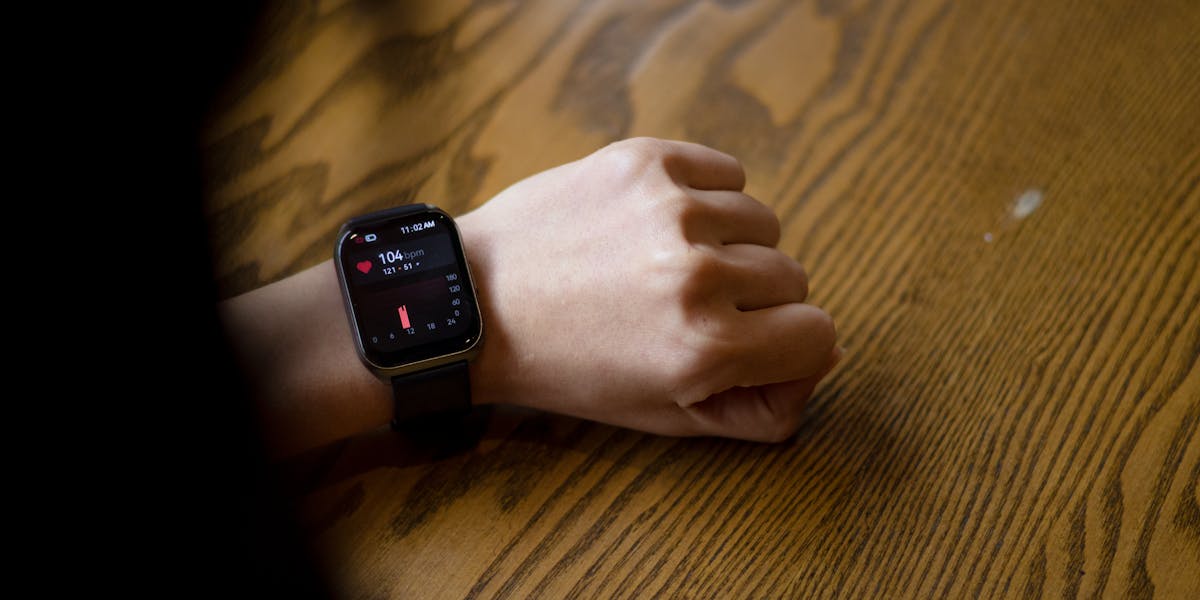
A 2023 Journal of Sports Sciences study tested 10 wrist devices against medical-grade equipment. Heart rate: ±3-5 bpm at rest, ±10-15 during exercise. Steps: ±5-10%. Calories: off by 27-93%.
Heart Rate: Most Reliable
Heart-rate tracking is usually the most dependable wrist metric at rest and steady endurance efforts. During heavy wrist motion, gripping movements, interval spikes, or poor watch fit, a chest strap such as the Polar H10 remains the better control point.
Calories: The Big Lie
Calorie burn is an estimate, not a measurement. Studies of consumer wearables show energy-expenditure error varies widely by device, activity type, and algorithm, so use calorie numbers for relative workout comparisons rather than precise nutrition math.
Top Picks
Sources & Further Reading
Reviewed May 29, 2026. Source notes emphasize current public-health guidance, product-safety notices, manufacturer specifications, and peer-reviewed research behind this guide.
- Shcherbina et al. Accuracy in wrist-worn heart rate and energy expenditure measurements.
- Bent et al. Investigating sources of inaccuracy in wearable optical heart rate sensors.
- Evenson et al. Reliability and validity of wearable devices for steps, energy expenditure, and heart rate.
- Fuller et al. Wrist-wearable activity-tracking accuracy systematic review.
- Apple. Apple Watch Series 11 announcement.
- Garmin. Venu 4 announcement.
- PubMed - consumer wearable accuracy umbrella review
- Garmin - running smartwatch lineup
- Apple - Apple Watch model comparison