Running Shoes in the Gym: The Problem
Running shoes have thick, compressible foam designed to absorb impact. Under a heavy barbell, this foam compresses unevenly, creating an unstable base. Your ankles wobble, power leaks, and injury risk increases. Squatting in running shoes is like squatting on a mattress.
Lifting Shoes: The Elevated Heel
Rigid 0.75-1" heel allows deeper squat with upright torso. Essential for Olympic lifting, beneficial for most squatters. Not needed for deadlifts (flat or barefoot is better).
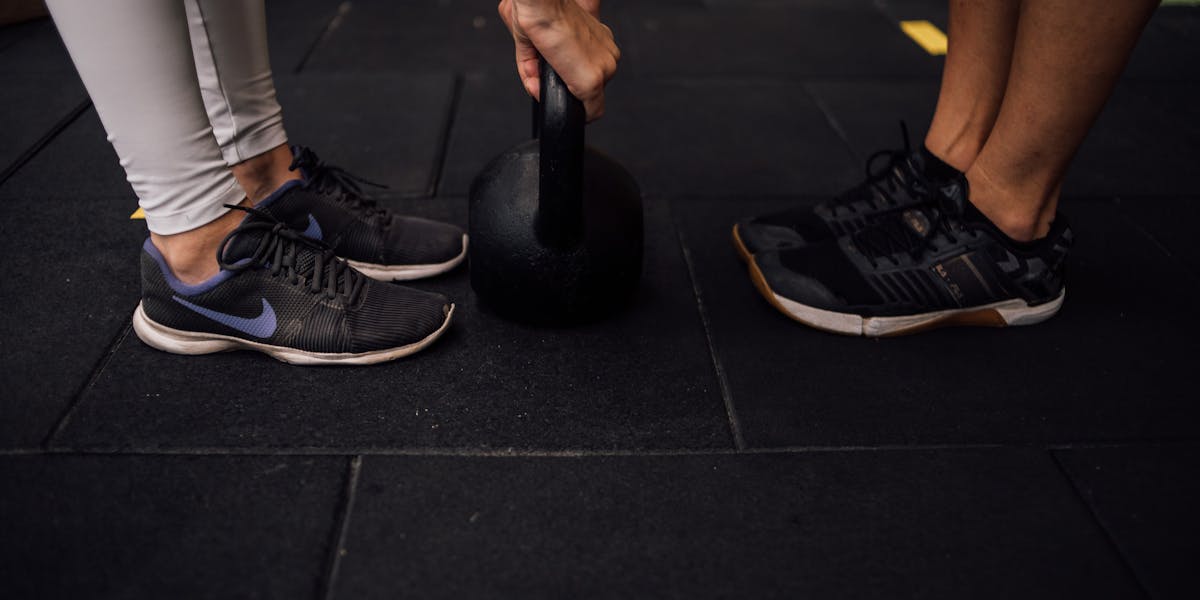
Adidas Adipower III
$200 Track gym shoe deals
22mm heel, BOA closure, synthetic upper. Best for narrow feet.
Cross-Trainers: The All-Rounder
Nike Metcon 9
$130 Track gym shoe deals
Flat, stable sole, rope-wrap guard, React foam heel. Best all-around gym shoe.
Reebok Nano X4
$140 Track gym shoe deals
Floatride Energy foam, Flexweave upper, wide toe box. Best for wide feet.
Minimalist: The Deadlift Shoe
Converse Chuck Taylor
Flat rubber sole, zero drop, no compression. The classic budget deadlift shoe.
Sources & Further Reading
Reviewed 2026-06-29. Source notes emphasize current public-health guidance, product-safety notices, manufacturer specifications, and peer-reviewed research behind this guide.
- Sato et al. weightlifting shoe squat study — study on weightlifting shoes and squat kinematics.
- CDC adult physical activity guidelines — federal guidance that includes muscle-strengthening frequency for adults.
- IWF technical and competition rules — official competition context for barbell use, equipment, and weightlifting standards.
- APMA - choosing shoes for sports
- American Heart Association - exercise footwear guidance
Compare fit, price, and availability
Use these related guides, tools, and deal pages to narrow the right choice before you buy.