Why Cold Weather Running Is Tricky
The challenge: you generate enormous heat while running but start cold. Dress for standing temperature and you'll overheat in 10 minutes. The rule: dress for 15-20°F warmer than actual temperature. If you're comfortable at the start, you overdressed. Pair layers with the right shoes for conditions.
Layering System
Three layers, each with a job: base (moisture management), mid (insulation), outer (wind/water protection). Most runs need 1-2 layers, not all three.
Base Layer
Touches skin. Job: wick sweat away. Never cotton — it absorbs moisture and loses all insulation. Options:
- Synthetic (polyester/nylon): Cheap, effective, fast drying. Can smell after multiple uses.
- Merino wool: Natural odor resistance, temperature regulation, comfortable wet. More expensive.
Mid Layer
Job: trap warm air. Used below ~30°F or when not running hard. Options:
- Fleece: Warm, breathable, bulkier. Good for easy runs.
- Light insulated: Synthetic fill, packable. Good for very cold days.
Outer Layer
Job: block wind and rain. Essential below ~25°F or in wind/precipitation.
- Wind vest: Core warmth without arm restriction. Best single winter investment.
- Wind jacket: Full protection. Look for ventilation zips and reflective elements.
Hands, Head, Feet
Head: You lose 10% of heat through your head. Lightweight beanie or headband below 40°F.
Hands: Gloves below 40°F. Mittens below 20°F. Convertible mitt-gloves are versatile.
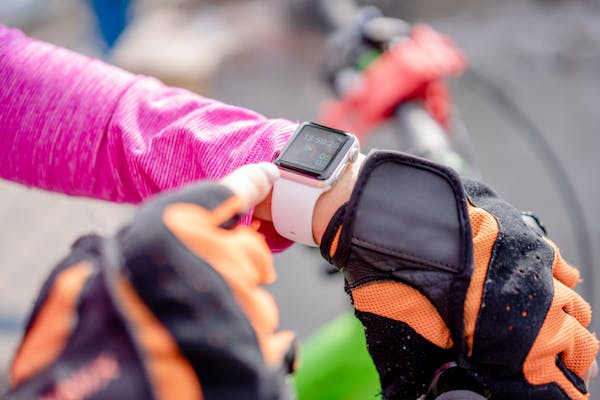
Feet: Wool-blend socks. Consider shoes with more tread for slick conditions. Track conditions with a GPS watch.
Temperature Dressing Chart
| Temp (°F) | Upper | Lower | Extras |
|---|---|---|---|
| 40-50°F | Long sleeve tech | Shorts or tights | Optional light gloves |
| 30-40°F | Base + wind layer | Tights | Gloves, headband |
| 20-30°F | Base + mid + wind | Insulated tights | Gloves, hat, neck gaiter |
| 10-20°F | Base + mid + jacket | Insulated tights + wind pants | Mittens, balaclava |
| Below 10°F | Full layering system | Double layer bottoms | Everything, face coverage |
Sources & Further Reading
Reviewed May 29, 2026. Source notes emphasize winter weather safety, cold-weather layering, shoe fit, and exercise-injury prevention.