Running accessory buy zones worth tracking
Use deal alerts after the accessory solves a real training, comfort, safety, or recovery problem.
How this running accessories guide is organized
Accessories are ranked by whether they solve a repeat training problem, improve safety, or meaningfully reduce friction before price is considered.
Best running accessories: what is actually worth buying
This refresh separates essentials from nice-to-haves and replaces retailer searches with direct brand or retailer options where possible.
| Need | First Pick | Why It Matters | Buy Zone |
|---|---|---|---|
| Blister prevention | Balega Hidden Comfort | Cushioned no-show sock with a stable heel pocket. | Buy multi-packs on sale |
| Chafe prevention | Body Glide Original | Simple anti-chafe balm for long runs, heat, and race day. | Stock before summer |
| Open-ear audio | Shokz OpenRun Pro 2 | Open-ear listening keeps awareness higher than sealed earbuds. | Watch under $150 |
| Low-light visibility | Noxgear Tracer2 | Active visibility is more useful than a tiny reflective accent. | Buy before fall |
| Recovery | TriggerPoint GRID 1.0 | Durable roller with a firmer, repeatable feel. | Good near $30-$40 |
Essential Accessories
Beyond shoes, a few accessories genuinely improve your running. Most are cheap. Here's what's worth buying, ranked by impact.
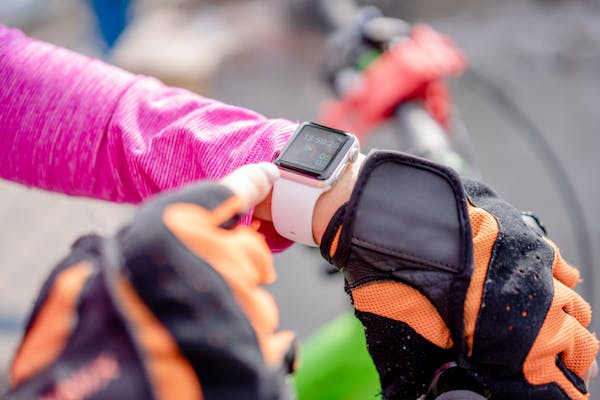
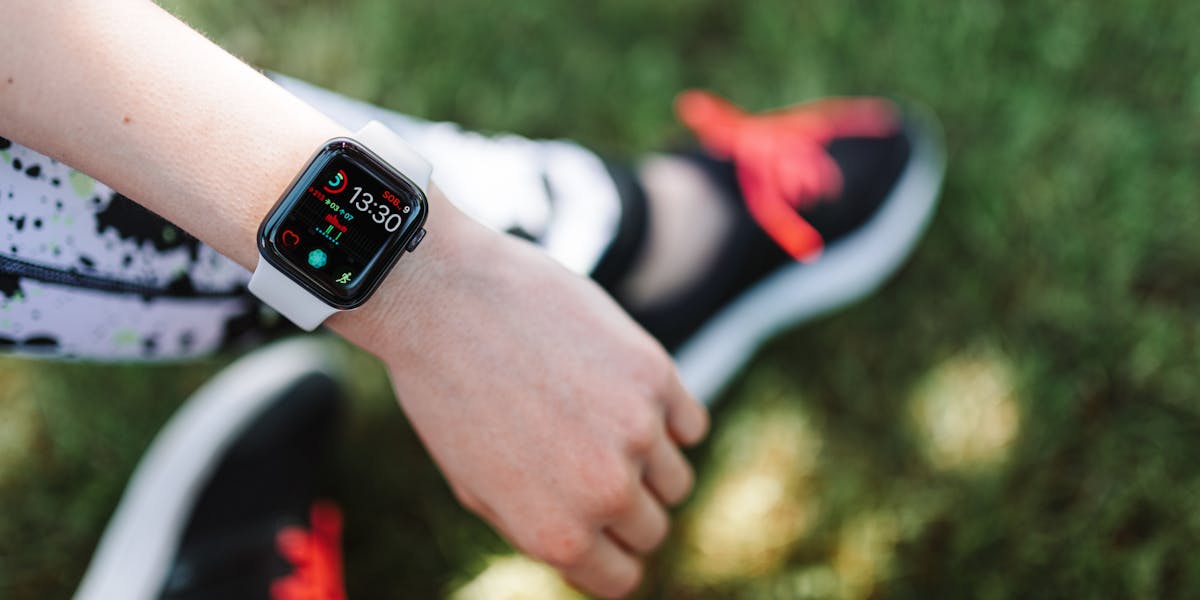
1. GPS Watch
Transforms training by providing pace, distance, heart rate. The single most impactful accessory. See our complete GPS watch guide.
2. Running Socks
Moisture-wicking, blister-preventing socks are a $10-15 investment that makes every run better. Never run in cotton socks. Brands: Balega, Feetures, Darn Tough.
3. Body Glide / Anti-Chafe
Prevents chafing on thighs, nipples, underarms. Essential for runs over 5 miles. $8-12.
Tech Accessories
Wireless earbuds: Bone conduction (Shokz) for safety — hear traffic while listening to music. $80-130.
Running belt/armband: Phone carry for music, safety, navigation. $15-30.
Heart rate monitor: Chest strap is more accurate than wrist. $50-80.
Safety Gear
Visibility is non-negotiable for early morning/evening runners.
- LED vest or clip lights: Active illumination is 10x more visible than reflective gear
- Reflective vest: Cheap insurance, wear over anything
- Road ID: Medical/emergency info if you're incapacitated. $20-30.
Recovery Tools
Foam roller: $15-30. Essential for IT band, calves, quads. Use after every hard run.
Massage gun: $80-200. Deeper muscle relief. Nice to have, not essential.
Compression socks: $20-40. May aid recovery on long runs. Evidence is mixed but many runners swear by them.
Seasonal Gear
Summer: Sunglasses (sport-specific), sunscreen, light hat, hydration (see our hydration guide).
Winter: Layers, gloves, beanie, reflective gear (see our cold weather guide).
What to Skip
- Weighted vests (injury risk outweighs benefit for runners)
- Running parachutes (gimmick for most runners)
- Expensive "recovery" supplements (sleep and nutrition matter more)
- Toe shoes (unless you've specifically transitioned over months)
Sources & Further Reading
Reviewed 2026-06-29. Source notes emphasize running gear fit, safe training, hydration, sport technology, and injury prevention.