Understanding Hollow Radius
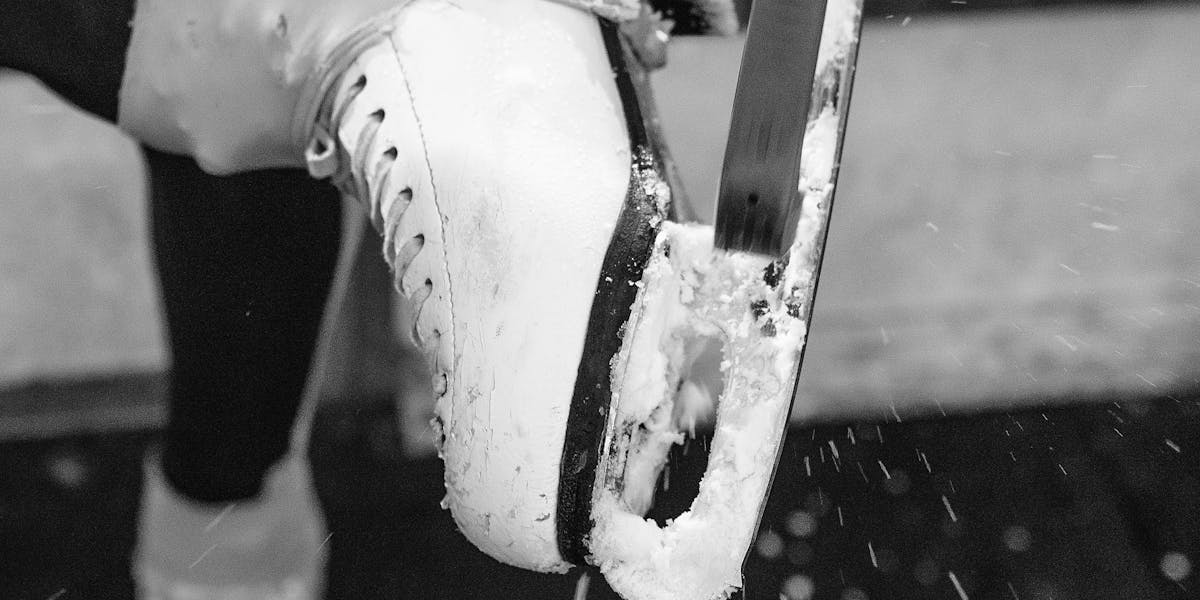
When you look at an ice skate blade cross-section, you'll see a concave groove — this is called the hollow. The hollow creates two edges: the inside edge (toward the body) and the outside edge (away from the body). The depth of this hollow is defined by its radius — the radius of the imaginary circle that would create the groove.
A smaller radius number = deeper hollow = more aggressive grip on the ice. A larger radius number = shallower hollow = more glide with less bite. The most common hollows run from 3/8" (very aggressive) to 2" (very shallow), with 5/8" being the industry standard starting point.
This matters because the wrong hollow for your skating style significantly affects performance. A figure skater using a 1" hollow designed for long track speed skates will slip on jumps. A hockey player using a 3/8" hollow will fatigue faster and feel "sticky" on the ice.
Choosing the Right Hollow for Your Style
| Hollow Radius | Bite Level | Best For | Not Recommended For |
|---|---|---|---|
| 3/8" (9.5mm) | Very aggressive | Heavy players, soft ice, goaltenders | Lightweight skaters, hard ice |
| 1/2" (13mm) | Aggressive | Figure skaters (jumps/spins), heavy hockey players | Beginners (too much drag) |
| 5/8" (16mm) | Standard | Most hockey players, recreational skaters | Very light skaters seeking glide |
| 3/4" (19mm) | Moderate | Lightweight skaters, fast ice surfaces | Soft ice rinks |
| 1" (25mm) | Shallow | Speed skating, long glide recreational | Anyone needing lateral grip |
Weight matters: A 120 lb figure skater and a 220 lb hockey defenseman should not use the same hollow. Heavier weight creates more pressure on the ice, generating more grip from a shallower hollow. The lighter skater needs a deeper hollow to achieve the same grip.
Ice temperature matters: Hard, cold ice (outdoor rinks in -20°C) is denser and provides more natural grip. Softer, warmer indoor ice is mushier and provides less grip. Use a shallower hollow on hard ice; a deeper hollow on soft ice.
How Often Should You Sharpen?
- Recreational skaters (1x/week): Every 10–15 hours of ice time, or roughly every 4–6 weeks during skating season.
- Hockey players (3+x/week): Every 6–12 hours of ice time. Many competitive players sharpen weekly during the season.
- Figure skaters (daily training): Every 10–15 hours for recreational/club level; some elite skaters sharpen before major events.
- Speed skaters: Less frequent — every 20–30 hours, as shallower hollows wear slower.
Off-season storage: Always dry blades thoroughly before storage. Apply a thin coat of blade oil or WD-40 if storing for more than a few weeks to prevent rust. Never store skates in the guards — moisture gets trapped and causes rust.
Signs Your Skates Need Sharpening
- Slipping when pushing off laterally (loss of lateral grip)
- Cannot hold a tight turn or circle edge
- Blades feel like they're sliding rather than cutting
- The hollow groove is visibly worn flat under bright light
- Skates feel "different" from how they normally perform
What causes dulling: Every foot of ice contact wears the edge. Walking on any hard surface (concrete, rubber mats, even arena floors) is extremely damaging — a single step on concrete can require re-sharpening. Always use blade guards when not on the ice.
DIY vs Professional Sharpening
Professional Sharpening
Cost: $8–$15 per pair at most rinks and pro shops. For a recreational skater who sharpens twice per season, this is clearly the economical choice. Quality varies significantly by technician — a good sharpener maintains proper hollow depth and ensures both edges are equal height (level). A bad sharpener can ruin expensive blades.
How to find a good sharpener: Ask at your local rink or pro shop. Hockey equipment stores near rinks typically have dedicated sharpening staff. Watch that they check edge levelness with a flat file after sharpening — this is the mark of a careful technician.
DIY Home Sharpening
Home sharpening machines (Sparx, ProSharp, EdgeAgain) produce consistent, repeatable results. The Sparx Skate Sharpener uses grinding rings that match specific hollows — you select your hollow and the machine does the rest. Break-even point: At $15/sharpening, a Sparx ($600) pays for itself after ~40 sharpenings. A hockey player sharpening every 2 weeks for a 6-month season = 12 sharpenings/year → paid off in 3.3 seasons.
The main advantage beyond cost: consistency. The same hollow every time, no technician variation, sharpen before games as needed.
Sharpening Equipment Picks
Hollow Radius Selection Guide
Sources & Further Reading
Reviewed May 29, 2026. Source notes emphasize snow-sport safety guidance, winter-travel planning, helmet and binding standards, avalanche education, and discipline-specific governing resources.