Quick Answer: What Size Ice Skates Should I Get?
Most ice skates fit smaller than street shoes, but the exact drop depends on brand, skate type and foot width. Hockey skates often start about 1 to 1.5 sizes below men's shoe size; figure skates can vary more by brand. The right size feels snug everywhere, holds the heel down, lets toes lightly brush the cap when standing, and does not cause sharp pressure points after lacing.
- Do not size like sneakers: check the brand chart and measure both feet.
- Heel lock matters: heel lift means the skate is too large or the wrong shape.
- Beginner choice: recreational hockey skates are usually easier than toe-pick figure skates for casual rink skating.
If you searched "figure skates vs speed skates" or sizing help, start here
The page now separates skate type, fit, and buy path before product picks, so beginners can avoid the two common mistakes: buying the wrong blade type or sizing like sneakers.
How this ice skate guide is organized
Skate recommendations are separated by discipline, fit risk, beginner friendliness, blade behavior, and return-policy importance.
Ice Skate Buying Path
Use the sizing guide for fit, then compare methodology, snow gear reviews, and deal alerts before buying a skate that may be hard to return after sharpening or use.
The Three Skate Types: What Separates Them
Ice skates look similar from a distance but are purpose-engineered for entirely different movements. Choosing the wrong type doesn't just limit performance — it can make learning significantly harder and increase injury risk.
Figure Skates
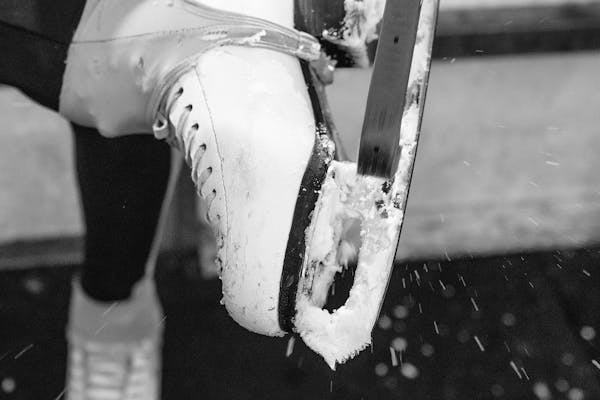
Figure skates have a long blade with a serrated toe pick at the front and significant rocker (curvature). The ankle boot is tall, stiff, and provides maximum support for jumps and spins. The toe pick allows edge work, jumping, and spin launching — but is a major tripping hazard for beginners who don't expect it. Figure skates are the correct choice for anyone pursuing figure skating, recreational artistic skating, or ice dancing.
Key specs: Blade length 9–12 inches depending on boot size, hollow radius 5/8" standard, significant rocker, toe picks at front.
Hockey Skates
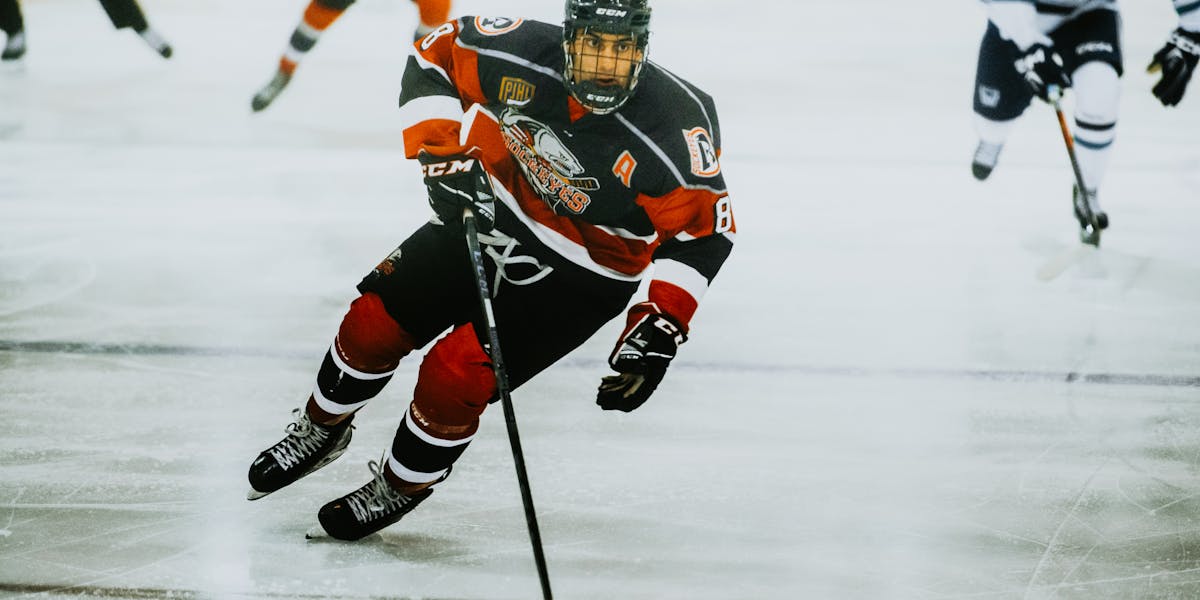
Hockey skates prioritize agility, lateral support, and speed changes. The blade is shorter relative to the boot and has a profile (rocker) optimized for quick direction changes. The boot is lower-cut at the ankle, allowing more range of motion. No toe picks. The most versatile skate for general recreational use and the most forgiving for beginners.
Key specs: Blade holder system (Tuuk, EDGE), replaceable steel, hollow radius 5/8" or 1/2" typical, moderate rocker.
Speed Skates
Speed skates are radically different from both. The blade is extremely long (15–18 inches), nearly flat (minimal rocker), and the boot is low and flexible — almost like a slipper. Speed skates are optimized for pure forward propulsion over long distances. They are completely impractical for any other type of skating and difficult for beginners. Subdivided into short track (more blade curve) and long track (flatter, longer blade) variants.
Key specs: Clap skate (hinged blade) for long track, fixed blade for short track, blade length 15–18", minimal hollow.
Sizing Guide: Don't Go by Shoe Size Alone
Ice skate sizing is not the same as shoe sizing:
- Figure skates: Typically run 1 full size smaller than street shoes. A size 8 shoe → size 7 figure skate.
- Hockey skates: Run 1–1.5 sizes smaller. Bauer and CCM use different sizing scales — always check brand-specific charts.
- Speed skates: Typically true-to-size or up to 0.5 size smaller. Must be extremely snug — zero heel lift.
The fit test: Stand in the skates with the laces tightened normally. Your toes should lightly brush the front of the boot (not jammed, not floating). There should be zero heel lift — if your heel lifts when you bend your knee, go down a size. Ankle bones should sit snugly in the quarters of the boot without pressure points.
Width: Hockey skates often come in D (standard), EE (wide), and EEE (extra wide). Figure skates offer B (narrow), C/D (standard), and E (wide). If your foot is wide, sizing up to compensate is a mistake — find the correct width instead.
Fit source check: Brand charts are starting points, not guarantees. Jackson notes sizing charts should not replace proper fitting, and Riedell emphasizes that skate sizing is brand-specific, so measure both feet and confirm heel lock before sharpening or wearing skates outdoors.
Blade Types Explained
Blade Steel
Entry-level skates use carbon steel blades — functional but require more frequent sharpening. Mid-range and advanced skates use stainless steel (longer edge retention, rust resistance). High-end hockey skates use proprietary steel alloys (Bauer LS Pulse, CCM XS) engineered for specific balance between hardness and edge retention.
Hollow Radius (ROH)
The hollow refers to the concave groove ground into the blade cross-section during sharpening. A deeper hollow (smaller radius = 1/4") creates more bite/grip. A shallower hollow (larger radius = 1") creates more glide. Standard starting point for most skaters: 5/8" hollow. See our Ice Skate Sharpening Guide for detailed hollow selection advice.
Rocker Profile
Rocker is the curvature of the blade from toe to heel. More rocker = better agility and turns. Less rocker = more glide and straight-line speed. Figure skates are heavily rockered. Speed skates are nearly flat. Hockey skates are in between and often have multiple rocker profiles available (Bauer's Pitch/Rocker system).
Best for Beginners
Top Picks by Category
⛸️ Top Ice Skate Picks by Category
Jackson Ultima Softec Vista
Padded micro-fibre boot, stainless steel blade. Comfortable out of the box — no painful break-in. Top-selling beginner pick.
Bauer Nexus Ice Skates
Thermoformable boot, tuuk blade holder, comfort lining. Great for recreational hockey players.
Riedell 110 Opal Figure Skates
Genuine leather boot, MK Coronation blade. Ideal for intermediate figure skaters wanting real performance.
Skate Type Comparison
Ice skate fit and gear deal alerts
Skate deals are only useful when the fit is right. Watch size-specific drops on figure, hockey, recreational, and beginner protective gear after checking return terms.
Sources & Further Reading
Reviewed 2026-06-29. Source notes emphasize ice-skate sizing, beginner lesson pathways, brand fit guidance, hockey/figure differences, and return-policy risk before buying.