Why Fit Matters More Than Features
A $400 pack with the wrong torso length feels worse than a $150 pack that fits. REI's data from 200,000+ fittings annually shows 60% of customers come in wearing the wrong size.
How to Measure Torso Length
- Find your C7 vertebra (bony bump at base of neck when you tilt head forward)
- Find your iliac crest (hands on hips, thumbs pointing back — where thumbs meet spine)
- Measure the distance along your spine. That's your torso length.
80/20 Rule of Load Distribution
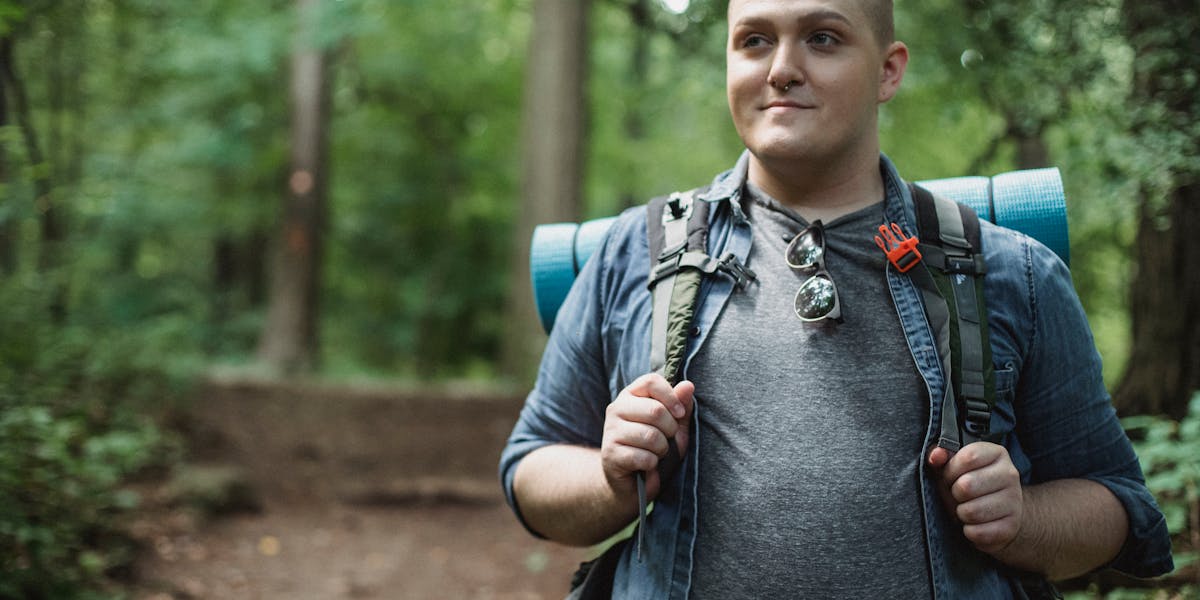
A properly fitted pack puts 80% weight on hips, 20% on shoulders. If shoulders bear most weight: wrong fit, wrong hip belt position, or unadjusted load lifters.
Top Picks
Osprey Atmos AG 65
Anti-Gravity suspension. 65L for 3-5 day trips. Backpacker Magazine Editors' Choice 3 years running. 4 lbs 8 oz.
Gregory Baltoro 75
Response A3 suspension, rain cover included. 75L for extended trips. Most adjustable sizing in the industry. 4 lbs 14 oz.
How to Load Test In-Store
- Load pack to expected trail weight using store sandbags
- Walk 15+ minutes. Use stairs if available.
- Check: 80% weight on hips? Can look up without lid hitting head? Shoulder straps wrapping without gaps?
- Adjust load lifters to 25-45 degrees